


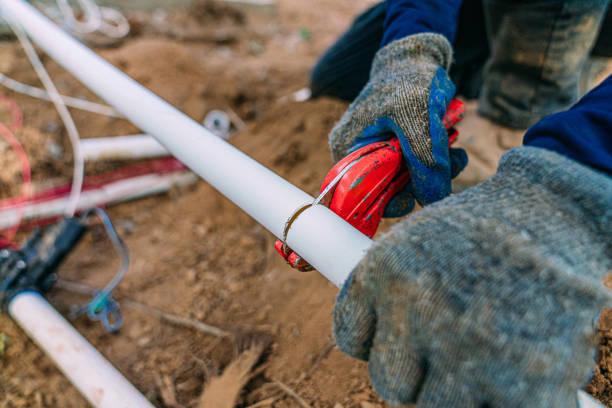
Plumbing pipe repair is an essential service for maintaining a safe and efficient home or business plumbing system. Whether dealing with leaks, corrosion, or broken pipes, timely repairs can prevent costly damage and inconvenience. Kama Hele Plumbing & Gas provides expert solutions to keep your plumbing in top condition.
Common Causes of Plumbing Pipe Damage
Several factors contribute to pipe damage, including:
- Corrosion: Over time, metal pipes deteriorate due to chemical reactions with water and air.
- High Water Pressure: Excessive pressure can weaken pipes and lead to leaks.
- Clogs and Blockages: Buildup of debris, grease, or tree roots can cause pipes to burst.
- Temperature Changes: Extreme cold can freeze and crack pipes, while excessive heat can weaken joints.
- Aging Pipes: Older plumbing systems often develop cracks, rust, and weak spots.
Signs That You Need Plumbing Pipe Repair
Early detection of pipe issues can prevent major plumbing failures. Look for:
- Water Leaks: Damp spots on walls, ceilings, or floors.
- Reduced Water Pressure: A sudden drop in pressure may indicate pipe blockages.
- Discolored Water: Rusty or murky water suggests pipe corrosion.
- Unpleasant Odors: Musty or sewage-like smells could signal leaks or blockages.
- Unusual Noises: Gurgling or banging sounds may indicate air trapped in the pipes.
Temporary Fixes for a Leaking Pipe
If you notice a minor leak before a plumber arrives, here are some temporary solutions:
- Pipe Clamps: These secure small leaks temporarily.
- Epoxy Putty: A quick fix for sealing pinhole leaks.
- Rubber Patches & Hose Clamps: These can help stop leaks until professional repairs are made.
- Teflon Tape: Useful for sealing pipe threads in small leaks.
DIY vs. Professional Plumbing Repair
While minor repairs like replacing washers or sealing small leaks can be DIY-friendly, more complex issues require professional help. A licensed plumber ensures:
- Proper Diagnosis: Identifying the root cause of the problem.
- Quality Repairs: Using durable materials for long-term solutions.
- Compliance with Building Codes: Ensuring your plumbing system meets legal requirements.
Different Types of Plumbing Pipe Repairs
Depending on the severity and location of the damage, different repair techniques are used:
Spot Repairs
Used for small leaks, cracks, or weak joints without replacing the entire pipe.
Pipe Replacement
If a section of the pipe is beyond repair, it may need to be cut and replaced.
Pipe Relining
A trenchless method that inserts a resin-coated liner inside the damaged pipe to create a new, durable lining.
Re-piping
When multiple leaks or old pipes are beyond repair, a full re-piping of the system may be necessary.
Cost of Plumbing Pipe Repair
Several factors affect the cost of plumbing repairs, including:
- Severity of the Damage: Larger leaks or burst pipes require more labor and materials.
- Pipe Material: Copper, PVC, or galvanized pipes have different repair costs.
- Location of the Pipe: Repairs in walls, ceilings, or underground require more effort.
- Emergency Services: Immediate repairs, especially after-hours, may incur additional costs.
Preventative Maintenance Tips
To avoid costly plumbing pipe repairs, follow these maintenance tips:
- Regular Inspections: Check pipes for leaks, rust, or damage.
- Control Water Pressure: Use a pressure regulator to prevent excessive strain on pipes.
- Avoid Chemical Drain Cleaners: These can corrode pipes over time.
- Insulate Pipes: Protect pipes from freezing in cold weather.
- Be Mindful of What Goes Down the Drain: Avoid disposing of grease, food particles, and non-flushable items.
When to Call a Professional Plumber
If you experience any of the following, it's time to call a professional:
- Persistent leaks despite temporary fixes.
- Water damage on walls or floors.
- Consistently low water pressure.
- Foul odors from drains or pipes.
- Visible rust or corrosion on exposed pipes.
Frequently Asked Questions (FAQs)
Q1: How long does it take to repair a leaking pipe?
It depends on the severity and location. Small leaks can be fixed in under an hour, while major repairs may take a few hours or more.
Q2: Can I use tape to fix a leaking pipe?
Teflon or waterproof tape can provide a temporary fix but is not a long-term solution. A professional repair is recommended.
Q3: How do I know if my pipes need replacing?
If your pipes are over 50 years old, frequently leaking, or showing signs of corrosion, it may be time for replacement.
Q4: What type of pipe is best for plumbing repairs?
PVC, copper, and PEX pipes are commonly used, each with its benefits. Copper is durable, while PEX is flexible and resistant to freezing.
Q5: Are plumbing pipe repairs covered by homeowners' insurance?
It depends on the cause of the damage. Insurance may cover sudden pipe bursts but not gradual wear and tear.
Conclusion
Plumbing pipe repair is crucial for maintaining a functional and efficient plumbing system. Whether dealing with minor leaks or major replacements, timely action can save you from expensive water damage. Regular maintenance and professional services ensure the longevity of your pipes and the safety of your home.

 English
 Arabic
 French
 Portuguese
 Deutsch
 Turkish
 Dutch
Dutch
 Italiano
 Russian
 Romaian
 Portuguese (Brazil)
 Greek
Greek