


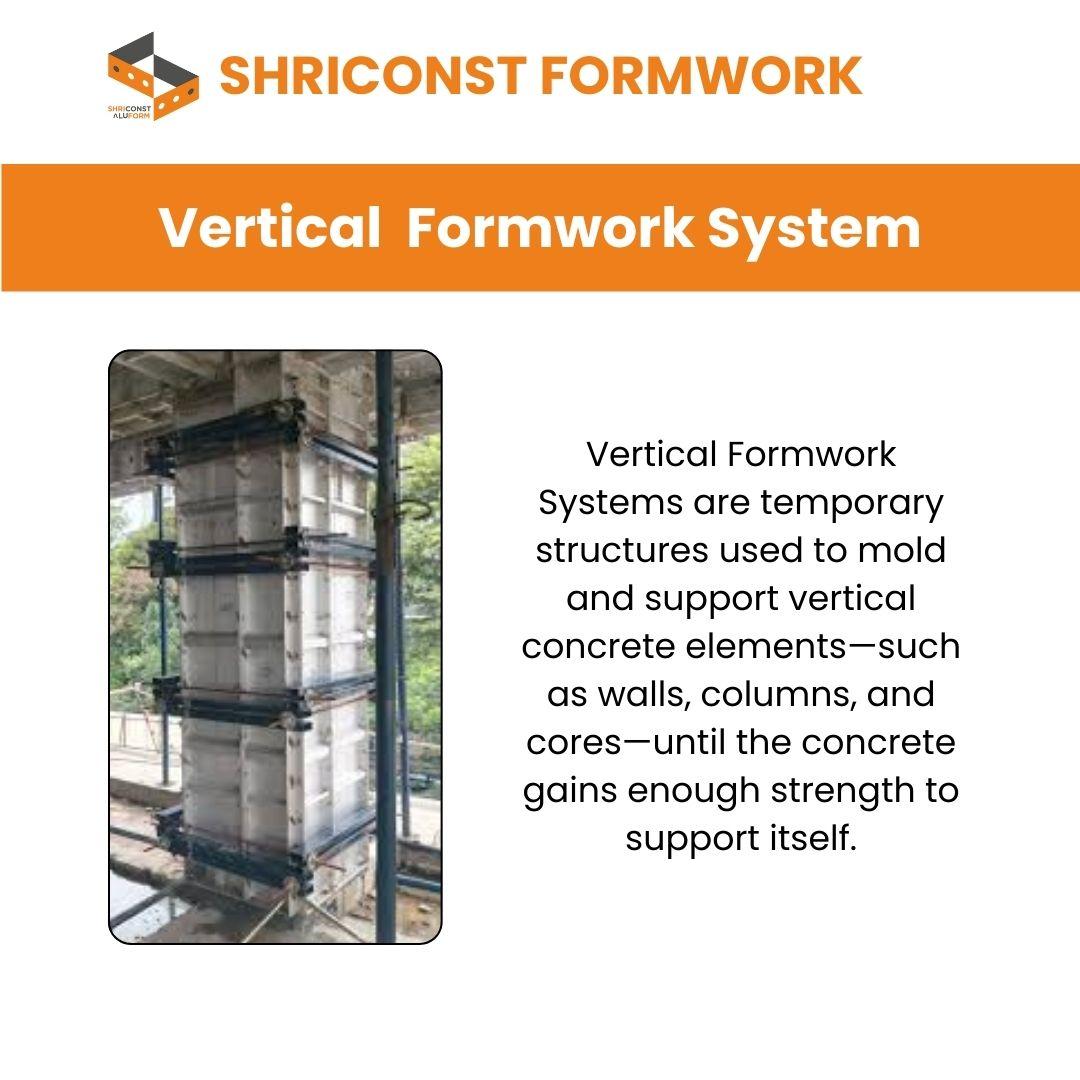
Vertical formwork systems have become an essential component of modern construction, offering speed, accuracy, and durability for concrete structures. As the construction industry moves toward efficiency-driven solutions, these systems play a crucial role in improving productivity while maintaining high-quality standards. Designed to support vertical concrete elements such as columns, walls, and cores, vertical formwork systems are widely adopted in residential, commercial, and infrastructure projects.
Understanding Vertical Formwork Systems
Vertical formwork systems are engineered frameworks used to shape and support freshly poured concrete until it gains sufficient strength. Unlike traditional timber formwork, modern systems—especially aluminium-based solutions—are reusable, lightweight, and highly precise. They ensure uniformity in structural dimensions and surface finish, making them ideal for projects that demand consistency and speed.
These systems are typically modular, allowing them to be easily assembled, dismantled, and reused across multiple construction cycles. Their adaptability makes them suitable for a wide range of building designs and structural requirements.
Importance of Vertical Formwork in Modern Construction
The growing demand for faster project delivery and cost optimization has increased the reliance on vertical formwork systems. They significantly reduce construction time by enabling quick installation and removal. Additionally, they minimize material wastage and labor dependency, which are common challenges with conventional formwork methods.
From high-rise buildings to industrial structures, vertical formwork systems ensure structural integrity while enhancing on-site safety. Their standardized components reduce the risk of errors, contributing to better-quality construction outcomes.
Key Components of Vertical Formwork Systems
Formwork Panels
Panels form the core structure of the system and are responsible for shaping the concrete. Made from durable aluminium or steel, they offer smooth finishes and long service life.
Support and Alignment Accessories
These include props, ties, and brackets that maintain alignment and stability during concrete pouring. Proper alignment ensures accurate dimensions and reduces rework.
Fastening and Locking Mechanisms
Quick-lock pins and wedges help secure panels firmly while allowing easy dismantling after curing. These mechanisms improve efficiency and reduce labor time.
Advantages of Using Vertical Formwork Systems
Faster Construction Cycles
One of the biggest advantages is reduced cycle time. The ease of assembly and dismantling allows contractors to complete floors and vertical elements quickly.
Superior Finish Quality
Modern vertical formwork systems provide smooth, uniform concrete surfaces, minimizing the need for plastering or additional finishing work.
High Reusability
Aluminium-based systems can be reused hundreds of times without compromising quality, making them a cost-effective long-term investment.
Improved Site Safety
Engineered systems are designed with safety in mind, reducing the risk of collapse, misalignment, or worker injury during construction.
Reduced Labor Dependency
With standardized components and simple assembly procedures, fewer skilled workers are required compared to traditional formwork.
Applications of Vertical Formwork Systems
Residential Construction
In housing projects, these systems are widely used for columns, shear walls, and staircases, ensuring uniform layouts and faster completion.
Commercial Buildings
High-rise offices, malls, and mixed-use developments benefit from the precision and speed offered by vertical formwork systems.
Infrastructure Projects
Bridges, metro stations, and industrial structures require strong, reliable vertical elements, making these systems ideal for heavy-duty applications.
Aluminium Vertical Formwork: A Modern Solution
Aluminium vertical formwork systems are gaining popularity due to their lightweight nature and high strength. Compared to steel or timber, aluminium offers easier handling, quicker setup, and reduced crane dependency. These features make it particularly suitable for high-rise and repetitive construction projects.
The precision manufacturing of aluminium panels ensures consistent dimensions and tight joints, which reduces concrete leakage and enhances structural quality. This makes aluminium systems a preferred choice for developers focused on efficiency and sustainability.
Sustainability and Cost Efficiency
Sustainability is a growing concern in construction, and vertical formwork systems support eco-friendly practices. Their reusability significantly reduces timber consumption and construction waste. Over time, the initial investment in a high-quality system results in lower overall project costs due to reduced labor, faster timelines, and minimal material wastage.
Additionally, the long lifespan of aluminium formwork aligns with green building standards, making it a responsible choice for environmentally conscious projects.
Choosing the Right Vertical Formwork System
Selecting the right system depends on project scale, design complexity, and budget. Factors such as panel size, load capacity, ease of handling, and supplier support should be carefully evaluated. A well-designed system not only improves construction speed but also enhances overall project quality.
It is also important to consider compatibility with other formwork elements and future reuse potential across multiple projects.
Role of Technology and Innovation
Technological advancements have further improved vertical formwork systems. Precision engineering, better locking mechanisms, and modular designs have enhanced performance and reliability. These innovations allow construction teams to achieve tighter tolerances and better finishes with less effort.
Digital planning and formwork design optimization also help reduce errors and improve coordination on-site, ensuring smoother project execution.
Why Vertical Formwork Systems Are the Future
As construction projects become more complex and timelines more demanding, vertical formwork systems offer a practical and scalable solution. Their ability to deliver speed, quality, safety, and sustainability makes them indispensable in modern construction practices.
By adopting advanced systems such as vertical formwork, builders and developers can stay competitive while meeting high standards of structural performance and efficiency.
Conclusion
Vertical formwork systems have transformed the way vertical concrete structures are built. With benefits ranging from faster construction and superior finish quality to cost savings and sustainability, they are an essential investment for modern construction projects. Aluminium-based solutions, in particular, offer unmatched efficiency and durability.
With its commitment to innovation and quality, Shriconst Aluform continues to support the evolving needs of the construction industry by delivering reliable and high-performance formwork solutions.

 English
 Arabic
 French
 Spanish
 Portuguese
 Deutsch
 Turkish
 Dutch
Dutch
 Russian
 Romaian
 Portuguese (Brazil)
 Greek
Greek