


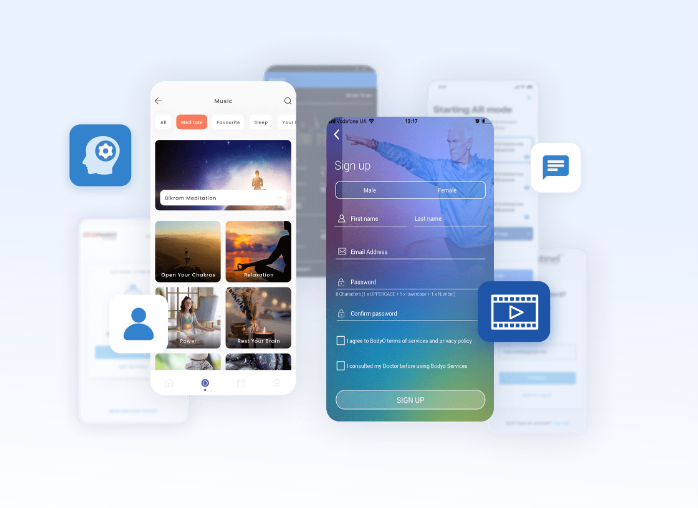
In recent years, mental health awareness has skyrocketed, and digital solutions like mental health apps have become essential tools in providing support and care. Whether it’s for stress management, anxiety relief, or therapy support, mental health apps empower users to access help anytime and anywhere. If you’re interested in mental health app development, understanding the detailed process of creating a mental health app from scratch is crucial for delivering a functional, engaging, and secure product.
This guide walks you through every stage of creating a mental health app, from ideation to launch, helping you understand key considerations and best practices to succeed in this impactful industry.
1. Understanding the Market and Identifying Your Target Audience
Before you start building anything, the foundation lies in market research and understanding your audience. Mental health apps cover a wide spectrum—from meditation guides and mood trackers to teletherapy platforms and peer support networks. You need to identify:
-
Who your app is for: Teens, adults, specific disorders (e.g., PTSD, depression, anxiety), or general wellness seekers?
-
What problems your app solves: Stress reduction, crisis intervention, daily habit tracking, or professional therapy sessions?
-
Competitor analysis: Analyze existing apps, their strengths and weaknesses, and identify gaps your app can fill.
By clarifying your niche and audience, you can tailor the app’s features and user experience to meet real user needs, ensuring relevance and higher engagement.
2. Define the Core Features of Your Mental Health App
The next step is defining what your app will do. For mental health app development, some common and essential features include:
-
User Registration and Profile: Secure sign-up/login, personalized profiles, and data privacy controls.
-
Mood and Symptom Tracking: Daily logs to monitor mood swings, sleep, medication, or triggers.
-
Content Library: Educational articles, guided meditation, breathing exercises, or CBT (Cognitive Behavioral Therapy) tools.
-
Chatbot or AI Support: For initial guidance or 24/7 emotional support.
-
Professional Interaction: Video/audio calls or chat with licensed therapists (optional, depending on app type).
-
Community Support: Forums or group chat features for peer support.
-
Reminders and Notifications: To encourage routine use and mental health habits.
-
Data Security: Encryption and compliance with health data regulations (HIPAA, GDPR).
Prioritize these features based on your target users and budget. An MVP (Minimum Viable Product) approach helps launch faster and iterate based on user feedback.
3. Choose the Right Technology Stack
Selecting a technology stack is critical for performance, scalability, and security. Common choices include:
-
Frontend Development: React Native, Flutter (for cross-platform mobile apps), or native Android (Kotlin) and iOS (Swift).
-
Backend Development: Node.js, Python (Django or Flask), Ruby on Rails, or Java Spring Boot for server-side logic.
-
Database: PostgreSQL, MongoDB, or Firebase for storing user data securely.
-
Cloud Services: AWS, Google Cloud, or Azure for hosting, file storage, and data backup.
-
Security Tools: SSL certificates, OAuth 2.0, JWT for authentication, and HIPAA-compliant tools if handling sensitive health data.
Partnering with experienced health app developers ensures your technology choices align with your project goals and industry standards.
4. Design an Intuitive and Engaging User Interface
Mental health apps must create a safe, calming, and easy-to-navigate environment. UI/UX design considerations include:
-
Simple Navigation: Users shouldn’t feel overwhelmed. Use clear menus, minimalistic design, and intuitive layouts.
-
Calming Color Palette: Soft, non-intrusive colors like pastels or muted tones are preferred.
-
Accessibility: Support for screen readers, adjustable font sizes, and color contrast for visually impaired users.
-
Personalization: Let users customize themes, set goals, or choose content types.
-
Emotional Connection: Use empathetic language and visuals to foster trust.
Work with designers experienced in mental health or wellness apps to create interfaces that improve user engagement and retention.
5. Develop with Privacy and Security in Mind
Handling mental health data is highly sensitive. You must comply with strict regulations to protect users’ privacy and avoid legal consequences:
-
Data Encryption: Encrypt data in transit and at rest.
-
Anonymity Options: Allow users to use the app without revealing their identity if they prefer.
-
Consent Forms: Clear user agreements explaining data use and privacy.
-
Regulatory Compliance: HIPAA in the US, GDPR in Europe, or other local laws governing health data.
-
Regular Security Audits: Penetration testing and vulnerability scanning during development and after launch.
Implementing these measures from the start strengthens user trust and safeguards your app’s reputation.
6. Build, Test, and Iterate Your App
Once designs and plans are ready, start development with clear milestones. Best practices include:
-
Agile Development: Use sprints to build features incrementally and adapt based on ongoing feedback.
-
Unit and Integration Testing: Ensure each component works well alone and with others.
-
User Testing: Gather feedback from real users or beta testers on usability, bugs, and effectiveness.
-
Performance Testing: Optimize app speed, responsiveness, and battery usage.
-
Bug Fixing: Prioritize critical fixes before release.
Iterate continuously to improve the app’s stability and user satisfaction before a public launch.
7. Prepare for Launch and Marketing
Your app’s success depends heavily on how well you introduce it to your target audience. Steps to take:
-
App Store Optimization (ASO): Use relevant keywords like mental health app development and engaging descriptions.
-
Landing Page: Create a dedicated website or page describing features and benefits.
-
Content Marketing: Publish articles, blogs, and case studies about mental health and your app’s solutions.
-
Social Media: Engage communities interested in mental wellness.
-
Partnerships: Collaborate with therapists, clinics, or mental health organizations.
-
Feedback Channels: Encourage user reviews and ratings for credibility.
A strong launch plan boosts downloads and builds an initial user base.
8. Post-Launch Support and Continuous Improvement
Your work doesn’t stop after launch. Mental health is a dynamic field, and user needs evolve. Important post-launch steps:
-
Monitor Analytics: Track user engagement, feature usage, and retention rates.
-
Collect Feedback: Use surveys, app reviews, and support channels to understand pain points.
-
Update Content: Regularly add new exercises, articles, or tools.
-
Fix Bugs: Quickly respond to technical issues.
-
Expand Features: Add therapy sessions, AI enhancements, or multilingual support as you grow.
Maintaining and improving the app ensures it remains relevant and valuable to users over time.
Why Partner with Experienced Health App Developers?
Developing a mental health app involves unique challenges such as data privacy, user trust, and the need for specialized features. Collaborating with professional health app developers experienced in mental health app development helps you:
-
Navigate complex legal and compliance issues.
-
Design engaging, empathetic user experiences.
-
Implement robust security frameworks.
-
Accelerate development and reduce time to market.
-
Provide ongoing technical support and updates.
If you’re considering creating a mental health app, finding the right development partner can be the difference between a successful product and costly mistakes.
Conclusion
The demand for mental health apps is growing as more people seek accessible and affordable mental wellness solutions. Successfully building a mental health app from scratch requires careful planning, user-centric design, regulatory compliance, and continuous improvement. By following this step-by-step guide, you can develop a meaningful app that not only meets user needs but also contributes positively to mental health awareness and care.
Whether you’re an entrepreneur, healthcare provider, or developer, understanding the entire lifecycle of mental health app development is crucial. Remember to focus on your users’ wellbeing, maintain strict privacy standards, and leverage professional health app developers to bring your vision to life.

 English
 French
 Spanish
 Portuguese
 Deutsch
 Turkish
 Dutch
Dutch
 Italiano
 Russian
 Romaian
 Portuguese (Brazil)
 Greek
Greek