


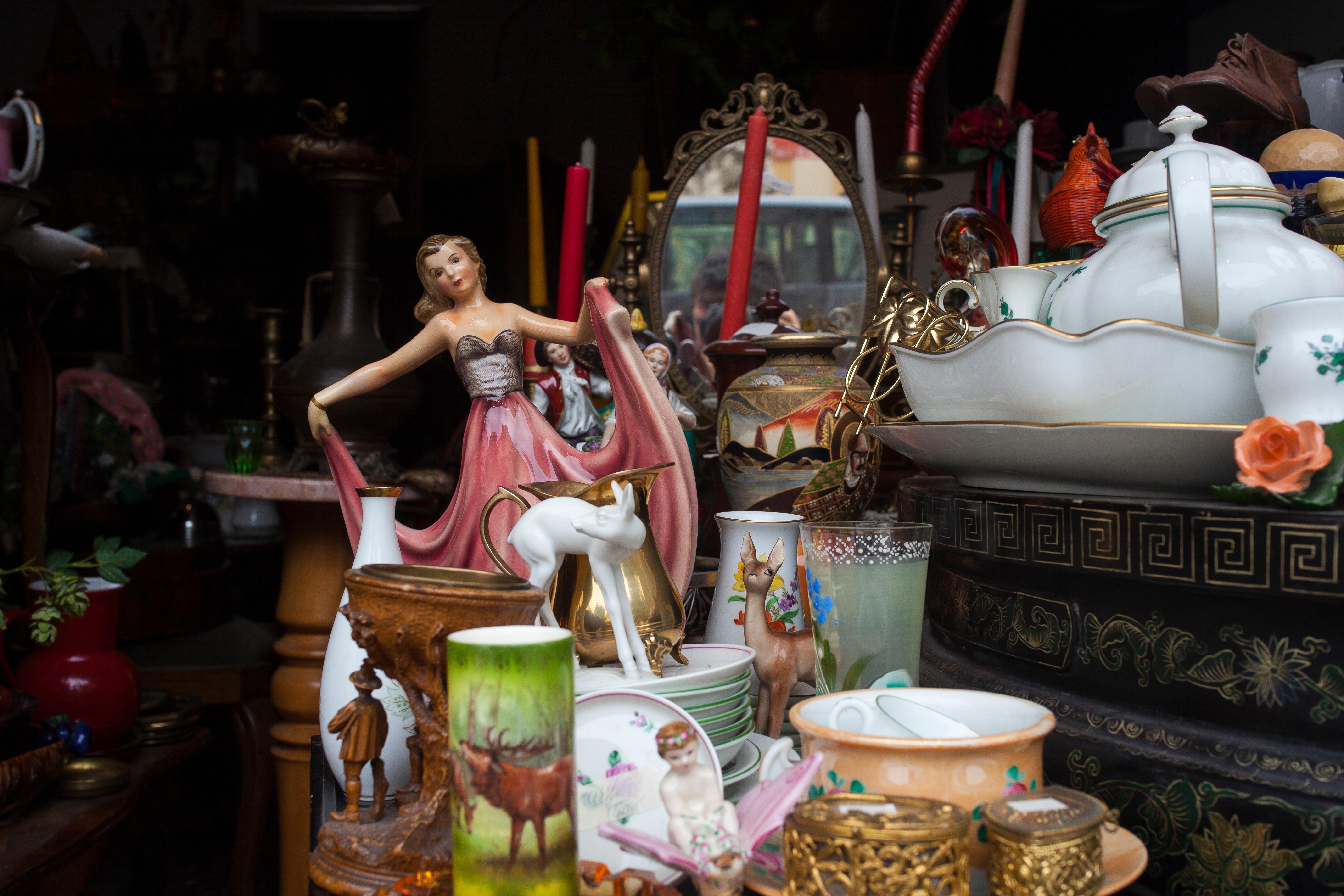
Antiques are more than just beautiful objects; they’re pieces of history that carry stories from the past. Whether you’ve inherited valuable heirlooms or started your own collection, proper care is essential to ensure these treasures retain their charm and value for years to come. This guide will provide you with practical advice on cleaning, storage, and maintenance, as well as tips for preserving your antiques’ value while avoiding common pitfalls.
Cleaning Your Antiques
Proper cleaning is one of the most important steps in caring for antiques, but it must be done carefully to avoid damaging fragile materials. For wooden furniture, dust regularly with a soft, lint-free cloth and only use a mild wood cleaner sparingly to maintain its finish. Avoid waxing too often, as build-up can dull the surface over time. For metal items, use a dry microfiber cloth to remove dirt or dust; if cleaning is necessary, choose specific cleaners designed for the metal type and avoid abrasive scrubbing.
Glass and porcelain antiques can be washed gently by hand in lukewarm water with a small amount of mild soap. Always line the sink with a towel to prevent accidental chips. For textiles, like vintage clothing or tapestries, avoid machine washing. Instead, gently spot-clean or consult a professional conservator to address stains or delicate fabric restoration. Remember, less is more when it comes to cleaning—over-cleaning or using harsh chemicals can do more harm than good.
Storing Antiques Safely
Proper storage can significantly extend the life of your antiques. Always store them away from direct sunlight, as UV rays can cause fading, cracking, or discoloration over time. Aim to keep pieces in a room with stable temperature and humidity levels. Fluctuations in these conditions can damage wood, metals, and fabrics, leading to warping, rust, or mold.
For smaller items, acid-free tissue paper and reinforced boxes are ideal for storage. Wrap fragile pieces individually to prevent scratches or breakage. If you’re storing antique furniture, avoid placing it directly on the floor and use felt pads to protect its structure and finish. For artwork or photographs, consider investing in archival-quality frames or sleeves to safeguard them from dust, moisture, and light damage.
Regular Maintenance
Maintaining your antiques is crucial for keeping them in top shape. Inspect your pieces regularly for any signs of wear, such as cracks, loose joints, or peeling finishes. Small issues, like hinges coming loose or plating wearing thin, can often be fixed at home using gentle methods, but larger problems should be handled by a professional to prevent accidental damage.
For things like timepieces like grandfather clocks, something like a routine grandfather clock servicing is essential to maintain their precision and functionality. For display items, rotate their placement periodically to reduce uneven wear or fading caused by lighting. If your antiques are used frequently, as with furniture or decorative objects, check them often for structural soundness and perform light repairs as needed. Applying preventative measures, such as felt liners in drawers or coasters on table surfaces, can spare your items from unnecessary harm.
Preserving Value
One of the best ways to preserve the value of your antiques is to document their history. Keep records of where and when each item was acquired, and make a note of any supporting paperwork, appraisals, or photographs. This not only boosts their overall value but also provides essential information for potential future sales or insurance purposes.
Avoid making permanent alterations, like refinishing woodwork or replacing original hardware, as this can significantly reduce an antique’s worth. Instead, focus on preserving its authenticity and patina, elements often valued by collectors. If an item requires significant restoration, consult with a professional who specializes in antique conservation, and ensure they use historically accurate methods and materials.
Common Mistakes to Avoid
Even with the best intentions, it’s easy to make mistakes when caring for antiques. One common error is using standard household cleaners, polishes, or soaps that can be too harsh for delicate finishes. Similarly, placing antique furniture or art near heating vents, radiators, or windows might cause irreparable damage due to exposure to heat and light.
Another frequent oversight is mishandling fragile items; always handle them with clean, dry hands and provide adequate padding when moving or storing them. Finally, skipping regular inspections can lead to undetected problems worsening over time. Staying vigilant ensures you catch and address any issues before they escalate.
Caring for your antiques requires attention to detail but is well worth the effort to protect their beauty and history. By cleaning gently, storing properly, and staying on top of maintenance, you can ensure your treasures remain in excellent condition for years to come. Remember to preserve their authenticity, document their past, and consult professionals for complex restoration needs. With thoughtful care, your antiques will continue to be cherished pieces that stand the test of time.

 English
 Arabic
 French
 Spanish
 Deutsch
 Turkish
 Dutch
Dutch
 Italiano
 Russian
 Romaian
 Portuguese (Brazil)
 Greek
Greek