


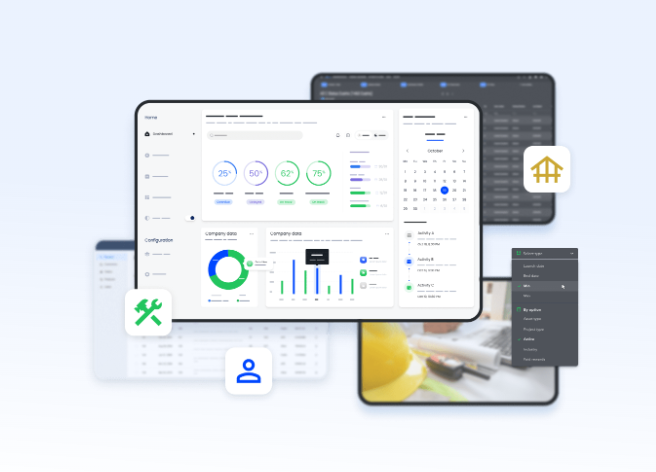
In the fast-paced and complex world of construction, managing multiple projects, timelines, budgets, teams, and resources can be a daunting task. Construction companies are increasingly turning to construction management software to streamline operations, increase efficiency, and ensure project success. The right software can be a game-changer, offering a centralized platform for managing all aspects of a construction project.
However, not all construction management software is created equal. There are specific features that can make a significant difference in the day-to-day management of construction projects. This article will explore the top features to look for in construction management software, and how they can transform the way construction companies work.
1. Project Scheduling and Planning Tools
A critical component of construction project management is proper scheduling and planning. Delays, missed deadlines, and disorganization can cause significant cost overruns and negatively impact project timelines. Therefore, project scheduling tools are one of the most important features in construction management software.
Look for software that offers intuitive scheduling capabilities, such as Gantt charts, task lists, and calendars that provide a clear overview of the entire project timeline. The ability to assign tasks to specific team members, track progress, and adjust deadlines as necessary can help keep the project on track.
Additionally, consider software with automated reminders and notifications that alert the team about upcoming deadlines, potential delays, or when tasks are completed. This ensures better communication and minimizes the risk of overlooking critical deadlines.
2. Budgeting and Financial Management
Keeping projects within budget is often one of the most challenging aspects of construction management. Accurate cost tracking and forecasting are essential to avoid cost overruns and ensure that the project remains financially viable. Look for construction management software that integrates budgeting, cost estimation, and financial tracking.
Features to look for include:
- Cost Estimation Tools: Allows for the creation of detailed budgets based on material, labor, and other project requirements.
- Expense Tracking: Tracks actual expenditures and compares them with the projected budget, providing a real-time overview of where the project stands financially.
- Invoices and Payments: Streamlines invoice generation, payment tracking, and manages contractor/vendor payments.
- Profitability Analysis: Provides detailed reports on the profitability of each project phase, allowing you to identify potential areas for cost savings.
A construction software solution that integrates financial management into project planning enables better decision-making and helps prevent financial bottlenecks.
3. Document Management and Storage
Construction projects generate a significant amount of paperwork, including contracts, permits, blueprints, change orders, and inspection reports. Managing these documents efficiently can prevent costly mistakes, delays, and miscommunications. Construction management software with robust document management features can store and organize all project-related documents in one centralized location.
Key features to look for:
- Cloud-based Document Storage: Enables secure storage of documents that can be accessed anytime, anywhere, which is especially important for teams working on-site.
- Version Control: Ensures that all stakeholders are working with the most up-to-date documents by maintaining a record of changes and allowing users to track previous versions.
- Searchable Database: Helps quickly find any document using keywords or tags, which reduces time spent searching for specific files.
- Collaboration Tools: Allows team members to comment, mark up, or annotate documents in real time, facilitating smooth collaboration between architects, contractors, and clients.
With efficient document management, construction companies can improve workflow, minimize errors, and stay organized throughout the project lifecycle.
4. Real-Time Communication and Collaboration
In construction projects, effective communication is key to ensuring that everything runs smoothly. Poor communication can lead to misunderstandings, delays, and mistakes. Look for construction management software that offers integrated communication tools, such as chat functions, team messaging, or notifications.
Top features include:
- Instant Messaging: Allows team members to communicate instantly, making it easier to resolve issues as they arise and make quick decisions.
- Team Collaboration: Facilitates collaboration by allowing multiple users to work on the same document or plan simultaneously.
- Email Integration: Enables seamless communication with external stakeholders, such as clients, suppliers, and subcontractors, within the same platform.
- Mobile App Access: Ensures that project managers, contractors, and workers can stay connected while on the job site using mobile devices.
Construction software with these communication tools helps ensure that everyone involved in the project is on the same page and has access to the information they need in real-time.
5. Task and Workflow Management
Construction projects involve numerous tasks that need to be assigned, tracked, and completed by various team members. An effective workflow management system within construction management software is essential to ensure tasks are completed on time and according to plan.
Look for software that includes the following features:
- Task Assignment: Allows managers to assign tasks to specific team members and track their progress.
- Task Dependencies: Helps define which tasks need to be completed before others can begin, preventing bottlenecks.
- Resource Allocation: Tracks the availability of resources (labor, equipment, materials) and ensures they are allocated efficiently to avoid delays.
- Time Tracking: Enables workers to log their hours, helping to keep track of labor costs and ensure that tasks are completed within the designated timeframe.
A solid task and workflow management system helps ensure that all aspects of the project are progressing as planned and that no work is left undone.
6. Risk Management Tools
Construction projects come with a variety of risks, including financial, safety, regulatory, and environmental. Identifying, managing, and mitigating these risks early on is crucial to the success of the project. Construction management software with risk management tools can help minimize these risks and protect the project from costly issues.
Key features to look for:
- Risk Identification and Assessment: Helps identify potential risks at every stage of the project and assess their severity.
- Risk Mitigation Strategies: Offers strategies to mitigate identified risks, including contingency planning and risk reduction techniques.
- Safety Compliance Tracking: Ensures that all safety regulations and compliance standards are met throughout the project.
By having a comprehensive risk management tool, construction companies can better prepare for unforeseen events and reduce the likelihood of costly mistakes or delays.
7. Mobile Accessibility
Construction sites are often fast-paced and dynamic environments, and workers, contractors, and managers may not always be at a desk. Mobile access to construction management software allows teams to access project details, make updates, and communicate with other stakeholders while on the move.
Top mobile features include:
- Mobile Dashboard: Gives users a snapshot of the project’s status, upcoming tasks, and project analytics.
- Mobile Task Management: Allows workers to log progress, update tasks, and receive notifications about deadlines and project changes.
- Photo and Document Upload: Enables workers to capture images, scan documents, or upload reports directly from the job site.
With mobile accessibility, project managers and field workers can make real-time updates, improving communication and ensuring that the project runs smoothly no matter where the team is located.
8. Integration with Other Software and Tools
Construction projects often involve several systems and tools, such as accounting software, estimating tools, and customer relationship management (CRM) systems. For construction management software to be truly effective, it should integrate seamlessly with other software and tools that your company uses.
Key integrations to look for:
- Accounting Software: Integration with tools like QuickBooks or Xero to manage financials, track expenses, and generate invoices.
- CRM: Integration with customer management tools helps streamline client communication and track project progress from a customer perspective.
- Accounting and Payroll Tools: Helps manage payroll and contractor payments without the need for separate software.
Integrating these tools ensures data flows freely between systems, reducing the chances of errors and increasing overall efficiency.
9. Customizable Reporting and Analytics
Data-driven decision-making is essential to running a successful construction project. Construction management software with robust reporting and analytics capabilities allows project managers to track key performance indicators (KPIs) and assess project health at any given moment.
Look for software that offers:
- Customizable Reports: Tailor reports to suit your specific needs, such as cost reports, time tracking, resource utilization, and more.
- Real-Time Analytics: Provides real-time insights into project progress, helping project managers make data-informed decisions quickly.
- Trend Analysis: Allows project managers to spot trends, such as recurring delays or budget overruns, to improve future project planning.
With accurate and customizable reporting, construction companies can evaluate the success of their projects, learn from mistakes, and continuously improve operations.
Conclusion: Choosing the Right Construction Management Software
The construction industry is evolving, and the demand for efficient, data-driven, and integrated solutions is higher than ever. Construction management software with the right features can help companies manage budgets, timelines, tasks, and teams with ease, ultimately leading to successful projects.
When selecting software, consider features like project scheduling, financial management, document storage, communication tools, and mobile accessibility. Additionally, integrating risk management tools, customizable reporting, and other software integrations will enhance the software's utility for your business.
For construction companies looking to optimize their operations, investing in tailored Construction Software Development can provide long-term benefits by streamlining workflows and improving productivity. Ensure that the software you choose is scalable and customizable to meet your company’s specific needs and future growth.

 Arabic
 French
 Spanish
 Portuguese
 Deutsch
 Turkish
 Dutch
Dutch
 Italiano
 Russian
 Romaian
 Portuguese (Brazil)
 Greek
Greek