


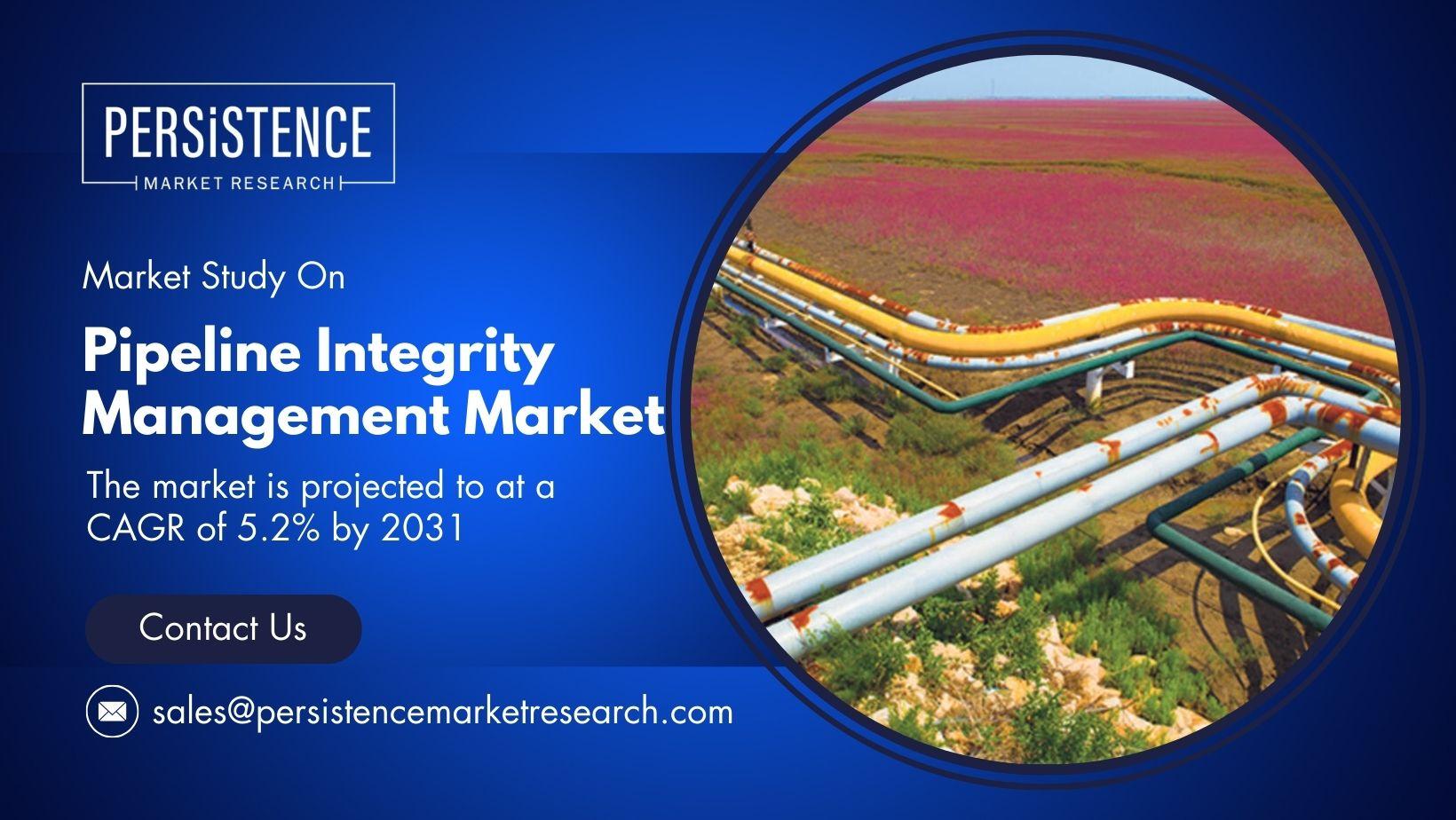
The oil and gas industry relies heavily on pipelines for the transportation of crude oil, natural gas, and refined products. Given the complexity of pipeline systems and the potential environmental risks associated with leaks or failures, ensuring pipeline integrity has never been more critical. Recent advancements in technology, regulatory frameworks, and risk management strategies are transforming how companies approach pipeline integrity management, leading to a safer and more efficient operational environment.
The Importance of Pipeline Integrity
Pipeline integrity refers to the overall condition of the pipeline, including its structural integrity and the assurance that it can operate safely without failures. The implications of pipeline failures can be severe, ranging from environmental damage to economic losses and potential harm to human life. Consequently, maintaining pipeline integrity is paramount for companies to mitigate risks, comply with regulatory requirements, and safeguard their reputation.
Current Market Landscape
According to Persistence Market Research, the global pipeline integrity management market is currently valued at approximately US$ 7 billion. The market is anticipated to grow significantly, with a compound annual growth rate (CAGR) of 8.2%, projected to reach US$ 13 billion by 2031. This growth is primarily driven by several factors, including advancements in inspection technologies, increasing regulatory requirements, and the urgent need for effective risk management in pipeline operations.
Advanced Inspection Technologies
1. Smart Pigging
Smart pigging is one of the most advanced techniques for pipeline inspection. It involves the use of robotic devices, known as "pigs," which are sent through the pipeline to collect data on the internal condition of the pipeline. These devices are equipped with various sensors to measure parameters such as wall thickness, corrosion, and deformation. By analyzing the data collected, operators can identify potential problems before they escalate into significant issues.
2. Drones and Aerial Surveillance
Drones have emerged as invaluable tools for pipeline monitoring and inspection. Equipped with high-resolution cameras and thermal imaging technology, drones can quickly assess the condition of pipelines over vast distances. They can identify leaks, detect corrosion, and evaluate the overall integrity of the infrastructure. Additionally, drones can access hard-to-reach areas, significantly reducing inspection times and costs.
3. Robotic Inspection Systems
Robotic systems can be employed for both internal and external inspections of pipelines. These systems can traverse challenging terrains and environments where human inspectors cannot easily operate. With advanced sensors and imaging technology, robotic inspection systems provide real-time data and analysis, allowing operators to make informed decisions about maintenance and repairs.
4. Machine Learning and Predictive Analytics
The integration of machine learning and predictive analytics into pipeline integrity management is revolutionizing how companies approach risk assessment and maintenance planning. By analyzing historical data, machine learning algorithms can predict potential failures based on patterns and anomalies in pipeline performance. This proactive approach enables operators to schedule maintenance before issues arise, reducing downtime and improving overall safety.
Regulatory Compliance
The oil and gas industry is subject to stringent regulatory requirements aimed at ensuring pipeline safety and environmental protection. Governments and regulatory bodies have introduced a series of guidelines and standards that operators must comply with to maintain pipeline integrity. Compliance with these regulations is critical not only for legal reasons but also for enhancing public trust and corporate responsibility.
Companies must invest in modern tools and technologies that align with regulatory expectations. Failure to comply with these requirements can result in significant fines, legal liabilities, and reputational damage. Therefore, pipeline integrity management solutions must be robust, transparent, and able to provide accurate reporting to demonstrate compliance with industry standards.
Read More: https://www.persistencemarketresearch.com/market-research/pipeline-integrity-management-market.asp
Risk Management Strategies
1. Risk Assessment and Prioritization
Effective risk management begins with a thorough assessment of potential hazards and vulnerabilities associated with pipeline operations. Operators must identify high-risk segments of the pipeline network and prioritize inspection and maintenance efforts accordingly. Modern tools and technologies, such as risk modeling software, can aid in this process by evaluating the likelihood and consequences of potential failures.
2. Incident Response Planning
Developing a comprehensive incident response plan is crucial for minimizing the impact of pipeline failures. Companies must establish protocols for detecting leaks, responding to emergencies, and communicating with stakeholders. Modern tools can assist in simulating various incident scenarios, allowing operators to refine their response strategies and ensure that personnel are adequately trained.
3. Continuous Monitoring
Pipeline integrity is not a one-time effort but a continuous process. Implementing continuous monitoring systems allows operators to track the condition of pipelines in real time. This proactive approach enables early detection of potential issues, facilitating timely interventions before they escalate into catastrophic failures.
The Role of Data Management
Data management plays a pivotal role in ensuring pipeline integrity. The vast amount of data generated from inspections, monitoring systems, and regulatory compliance efforts must be effectively collected, stored, and analyzed. Modern data management solutions can streamline this process, enabling operators to make data-driven decisions and improve operational efficiency.
1. Centralized Data Platforms
Centralized data platforms provide operators with a holistic view of their pipeline infrastructure. By consolidating data from various sources, operators can identify trends, assess performance metrics, and make informed decisions about maintenance and upgrades. These platforms also facilitate collaboration among different teams, enhancing communication and coordination.
2. Cybersecurity Considerations
As the oil and gas industry becomes increasingly reliant on digital technologies, cybersecurity has become a critical concern. Protecting sensitive data and pipeline systems from cyber threats is essential to maintaining operational integrity. Companies must invest in robust cybersecurity measures and protocols to safeguard their infrastructure from potential attacks.
Conclusion
Ensuring oil and gas pipeline integrity is a multifaceted challenge that requires a proactive and comprehensive approach. With the market for pipeline integrity management projected to reach US$ 13 billion by 2031, driven by advancements in technology and regulatory pressures, the industry is poised for transformation. By leveraging modern tools such as smart pigging, drones, robotic inspection systems, and machine learning, operators can enhance their ability to monitor and maintain pipeline integrity effectively.
As the industry evolves, companies must remain vigilant in their commitment to safety, compliance, and risk management. By embracing innovative technologies and adopting best practices, the oil and gas sector can ensure the integrity of its pipeline infrastructure, safeguarding both the environment and public trust for generations to come.

 Arabic
 French
 Spanish
 Portuguese
 Deutsch
 Turkish
 Dutch
Dutch
 Italiano
 Russian
 Romaian
 Portuguese (Brazil)
 Greek
Greek