


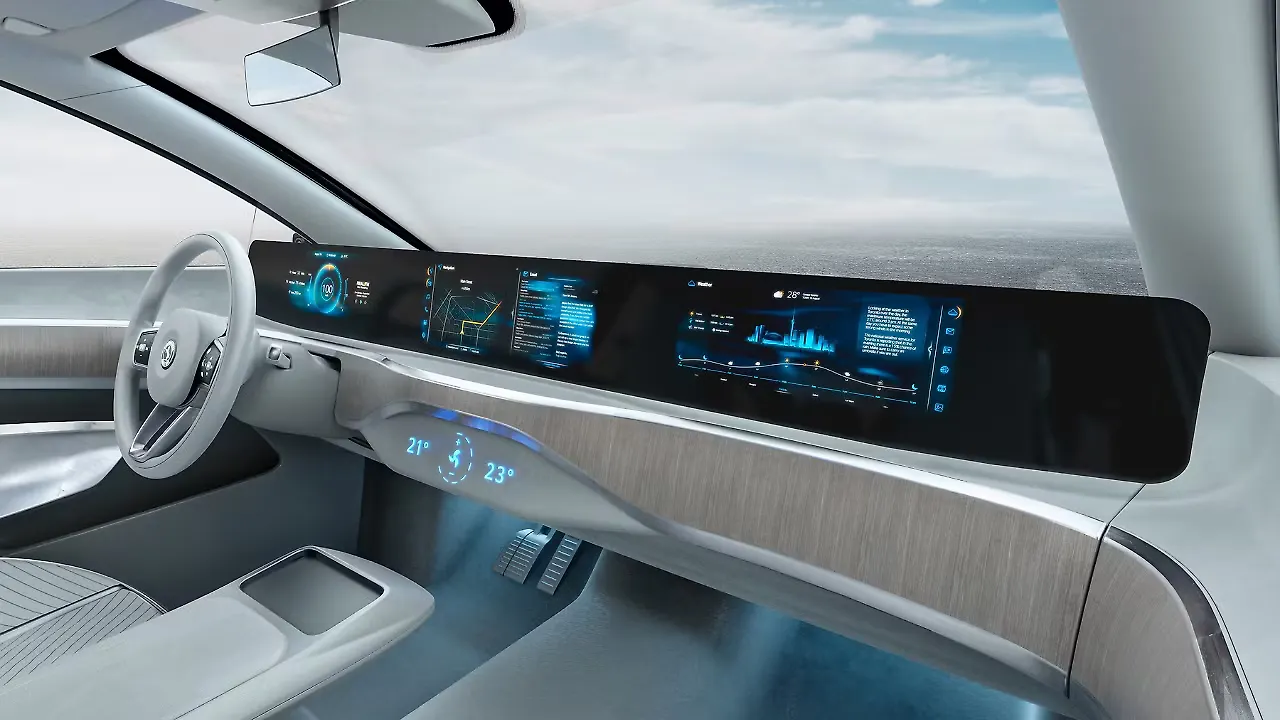
The automotive industry is undergoing a significant digital transformation, with vehicles evolving from mechanical machines into intelligent, connected mobility platforms. One of the most visible outcomes of this shift is the automotive digital cockpit, which integrates multiple vehicle functions into a unified digital interface. Instead of relying on traditional analog gauges and separate infotainment systems, modern vehicles increasingly feature configurable displays, voice assistants, connected services, and advanced driver information systems that enhance both convenience and safety.
As consumer expectations continue to evolve, automakers are investing in smarter in-car experiences that prioritize personalization, seamless connectivity, and intuitive interaction. According to an industry analysis published by connected vehicle cockpit technologies, manufacturers are increasingly focusing on software-driven vehicle architectures capable of supporting continuous feature upgrades and enhanced digital experiences throughout a vehicle's lifecycle.
Rather than serving as a simple dashboard, today's digital cockpit functions as the central control hub of the vehicle. It connects navigation, entertainment, communication, climate control, driver assistance features, and vehicle diagnostics into a single ecosystem. This integration simplifies vehicle operation while providing drivers with timely, context-aware information that improves the overall driving experience.
What Is an Automotive Digital Cockpit?
An automotive digital cockpit is an integrated collection of hardware and software technologies that replaces conventional instrument panels with advanced digital interfaces. It typically includes digital instrument clusters, infotainment displays, head-up displays (HUDs), voice recognition systems, connected navigation, driver monitoring technologies, and cloud-enabled applications.
The primary objective is to create a safer and more personalized driving environment by delivering relevant information in real time while minimizing driver distraction. Through intelligent software platforms, digital cockpits can adapt display layouts, remember user preferences, and provide predictive recommendations based on driving behavior.
Key Technologies Powering Digital Cockpits
Several emerging technologies are enabling the rapid evolution of automotive digital cockpit platforms:
- Artificial Intelligence (AI): Supports intelligent voice assistants, predictive navigation, and personalized recommendations.
- Cloud Connectivity: Enables over-the-air software updates, cloud synchronization, and remote vehicle management.
- High-Resolution Displays: Curved OLED and LCD screens improve visibility while consolidating multiple vehicle functions.
- Driver Monitoring Systems: Cameras and sensors help detect fatigue, distraction, and other safety concerns.
- 5G Connectivity: Facilitates faster communication between vehicles, cloud platforms, and digital services.
Growing Consumer Demand for Connected Experiences
Modern vehicle buyers increasingly expect the same seamless digital experience they receive from smartphones and other connected devices. Features such as wireless smartphone integration, cloud-based navigation, streaming entertainment, voice-controlled functions, and personalized driver profiles have become major purchasing considerations across multiple vehicle segments.
Consumers also expect continuous software improvements after purchasing a vehicle. Over-the-air updates allow manufacturers to introduce new capabilities, improve system performance, and strengthen cybersecurity without requiring dealership visits, making software an increasingly important competitive differentiator.
Electric Vehicles Are Accelerating Digital Cockpit Adoption
The rapid expansion of electric vehicles is further increasing demand for sophisticated digital cockpit systems. Unlike traditional vehicles, EVs rely heavily on software to display battery status, charging information, energy consumption, driving efficiency, and route optimization based on charging infrastructure.
Digital interfaces help drivers better understand vehicle performance while simplifying interactions with advanced energy management systems. As EV adoption continues worldwide, digital cockpit functionality is expected to become an essential component of the overall ownership experience.
The Role of Software-Defined Vehicles
Automotive manufacturers are gradually transitioning toward software-defined vehicles, where software controls a growing number of vehicle functions. Digital cockpits serve as one of the most important user-facing components within this architecture.
Instead of managing isolated electronic control units, centralized computing platforms enable faster feature deployment, simplified maintenance, and improved compatibility between infotainment, navigation, safety, and driver assistance systems. This shift allows manufacturers to introduce new digital services throughout the vehicle's lifespan while improving operational efficiency. Industry observers note that software-defined vehicle architectures are becoming central to next-generation automotive development.
Challenges Facing Automotive Digital Cockpit Development
Despite rapid technological progress, manufacturers continue to address several important challenges. Cybersecurity remains a top priority as connected vehicles exchange increasing volumes of data with cloud platforms and external networks. Protecting sensitive driver information while ensuring secure software updates requires continuous investment in advanced security frameworks.
System complexity also presents engineering challenges. Integrating multiple displays, sensors, processors, and software platforms while maintaining reliability, low latency, and compliance with automotive safety standards requires extensive validation throughout the product development process. Additionally, maintaining an intuitive user interface without overwhelming drivers remains a key design objective. Research into intelligent cockpit architectures continues to focus on improving user experience while balancing safety and functionality.
Looking Ahead
The automotive digital cockpit is rapidly becoming the centerpiece of modern vehicle design. As artificial intelligence, cloud computing, advanced displays, and connected mobility continue to evolve, future vehicles will offer increasingly personalized, intelligent, and software-driven experiences. While manufacturers must continue addressing cybersecurity, integration, and usability challenges, digital cockpits are expected to remain a defining element of next-generation mobility solutions, shaping how drivers interact with vehicles for years to come.

 English
 Arabic
 French
 Portuguese
 Deutsch
 Turkish
 Dutch
Dutch
 Italiano
 Russian
 Romaian
 Portuguese (Brazil)
 Greek
Greek