


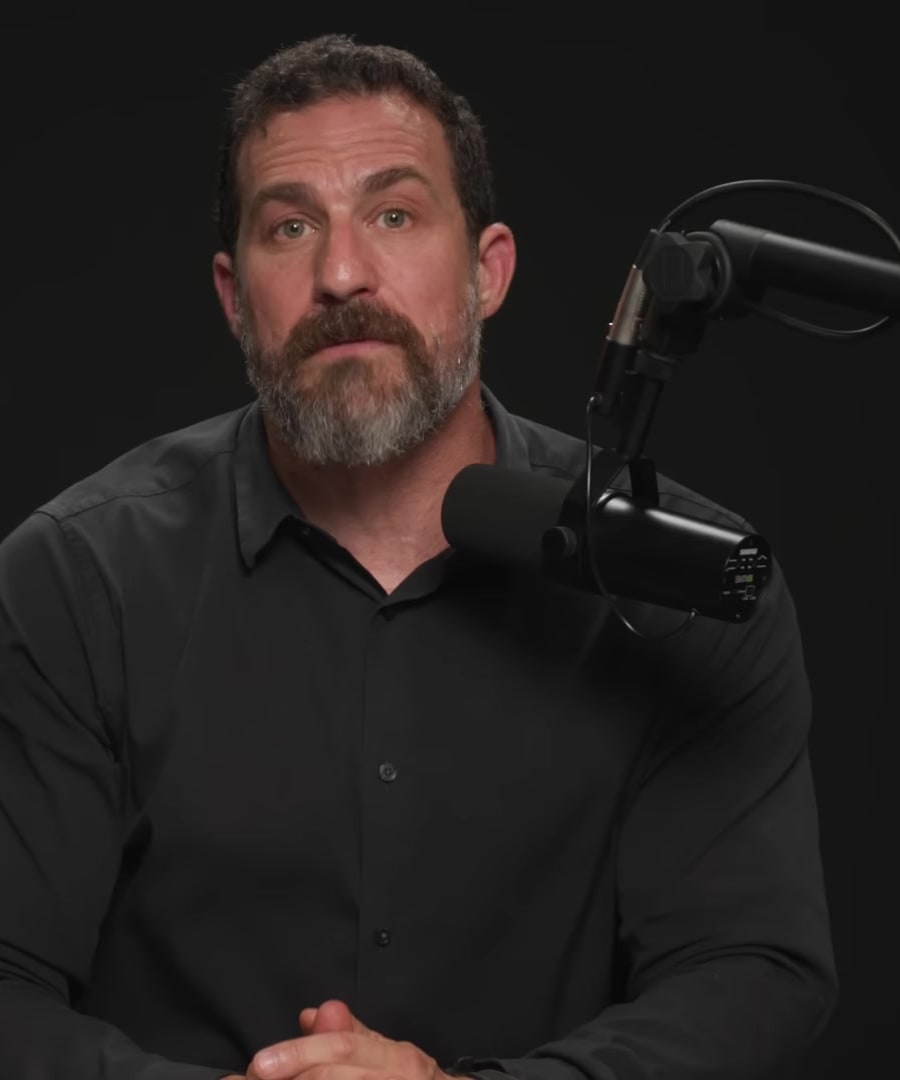
Anxiety is not just a feeling in your mind—it is a physical state rooted in your nervous system, and Dr. Andrew Huberman believes you can change that state using nothing but your breath. As a Stanford neurobiologist, he has spent years studying how specific breathing patterns directly influence your heart rate, alertness, and the brain circuits that trigger panic. The most powerful insight from his work is that anxiety is not something you need to talk yourself out of. You can breathe your way out of it by hacking the neural pathways that connect your lungs to your brainstem. Unlike meditation, which can take weeks to show results, Huberman’s techniques work within minutes because they speak directly to the ancient, hardwired machinery of your autonomic nervous system.
The Physiology Sigh for Instant Calm
The single most effective tool in Huberman’s anxiety arsenal is something he calls the physiological sigh. This is not a trendy breathing gimmick—it is a natural pattern your body already uses to re-expand collapsed air sacs in your lungs. Here is how it works: take two quick inhales through your nose, the first filling your lungs and the second a short sniff to fully inflate them, followed by a long, slow exhale through your mouth. The magic lies in the double inhale. Those two sips of air open up millions of tiny sacs called alveoli, allowing your lungs to expel carbon dioxide more efficiently. When carbon dioxide levels drop, your heart rate slows, and your brain receives a powerful signal that you are safe. Huberman recommends repeating this sigh two to three times whenever you feel anxiety rising, and research shows it can lower physiological arousal faster than any other breathing technique.
How Slow Exhales Activate the Vagal Brake
Why does a long exhale feel so calming? Huberman explains the neuroscience behind this simple observation. Your heart is constantly receiving two opposing signals: one from the sympathetic nervous system that speeds it up, and one from the parasympathetic nervous system that slows it down via the vagus nerve. When you exhale slowly and completely, you activate the vagus nerve, which applies a kind of brake to your heart rate. The longer your exhale relative to your inhale, the stronger that brake becomes. This is why Huberman teaches anxious patients to focus almost obsessively on extending their exhale—aiming for an exhale that is twice as long as the inhale. Even sixty seconds of this pattern can shift your nervous system from fight-or-flight into rest-and-digest, reducing cortisol levels and quieting the racing thoughts that fuel anxiety loops.
Cyclic Hyperventilation for Controlled Stress Inoculation
This next technique sounds counterintuitive, but Huberman uses it for a specific purpose: building tolerance to the physical sensations of anxiety. Cyclic hyperventilation involves taking twenty-five to thirty deep, rapid breaths through your mouth, followed by a fifteen to thirty second breath hold. This pattern intentionally creates the lightheadedness, tingling, and heart pounding that mimic a panic attack. By practicing this in a safe, controlled environment, you teach your brain that those sensations are not dangerous. Over time, your amygdala—the brain’s alarm system—becomes less reactive to the early warning signs of anxiety. Huberman recommends this technique only once or twice per week, never while driving or standing, and always with a recovery period of normal breathing afterward. It is essentially exposure therapy for your nervous system, using your own breath as the trigger.
Box Breathing for Cognitive Refocusing
When anxiety hijacks your attention, you need a technique that gives your racing mind something concrete to hold onto. Box breathing, used by Navy SEALs and first responders, involves inhaling for four seconds, holding for four seconds, exhaling for four seconds, and holding again for four seconds. Huberman explains that this equal ratio pattern engages the prefrontal cortex—the rational, planning part of your brain—which helps pull your focus away from the amygdala-driven panic. The holds are particularly important because they create brief moments of carbon dioxide buildup, which paradoxically feels uncomfortable but actually trains your brain to tolerate the sensations that normally trigger anxiety. Practice box breathing for two to five minutes whenever you feel mental chatter spiraling out of control. It will not eliminate the source of your worry, but it will give you enough cognitive space to choose a response rather than reacting from pure fear.
The Wim Hof Method Caution
Huberman is a fan of cold exposure and certain breathing methods, but he issues a strong warning about the popular Wim Hof technique for people with anxiety disorders. The method involves thirty to forty deep, rapid breaths followed by a long breath hold, repeated in multiple rounds. While this can produce euphoria and stress resilience in healthy people, Huberman notes that it can also trigger panic attacks, dissociation, and even fainting in those already prone to anxiety. The rapid breathing lowers carbon dioxide so dramatically that your cerebral blood vessels constrict, which can feel terrifyingly similar to the onset of a panic attack. If you have a history of anxiety, Huberman recommends sticking with the physiological sigh or box breathing instead. You can build stress tolerance without pushing yourself into a physiological state that mimics the very condition you are trying to treat.
Nasal Breathing as a Daily Anchor
One of the simplest yet most profound tools Andrew Huberman offers is a commitment to nasal breathing whenever possible. Breathing through your nose, as opposed to your mouth, releases nitric oxide in your nasal passages and sinuses, a molecule that dilates blood vessels, improves oxygen uptake, and has direct anti-anxiety effects on the brain. Nasal breathing also slows down your respiration rate naturally because your nasal passages create more resistance than your mouth. That slower rate activates the vagus nerve and keeps your nervous system in a calmer baseline state throughout the day. Huberman suggests checking in with yourself several times daily: is your mouth closed? Are you breathing through your nose? For chronic mouth breathers, even taping your mouth shut at night—with special sleep tape, not household tape—can train your brain to prefer nasal breathing, reducing baseline anxiety levels within weeks without any active effort.
When to Use Breath Work Versus When to Seek Help
As powerful as these techniques are, Huberman is careful to distinguish between situational anxiety and clinical anxiety disorders. Breathing exercises can crush the acute panic of a stressful meeting, a public speech, or a sleepless night. They can lower your baseline heart rate and make you more resilient to daily stressors. But if you are experiencing persistent, debilitating anxiety that interferes with work, relationships, or basic functioning, breath work alone is not enough. In those cases, Huberman urges you to seek professional help—cognitive behavioral therapy, medication, or a combination thereof. Think of these breathing techniques as tools in a larger toolbox. They are free, always available, and grounded in solid neuroscience. But they work best alongside good sleep, proper nutrition, social support, and, when needed, professional mental health care. Use your breath to calm the storm, but do not hesitate to call for backup when the waves keep crashing.

 Arabic
 French
 Spanish
 Portuguese
 Deutsch
 Turkish
 Dutch
Dutch
 Italiano
 Russian
 Romaian
 Portuguese (Brazil)
 Greek
Greek