


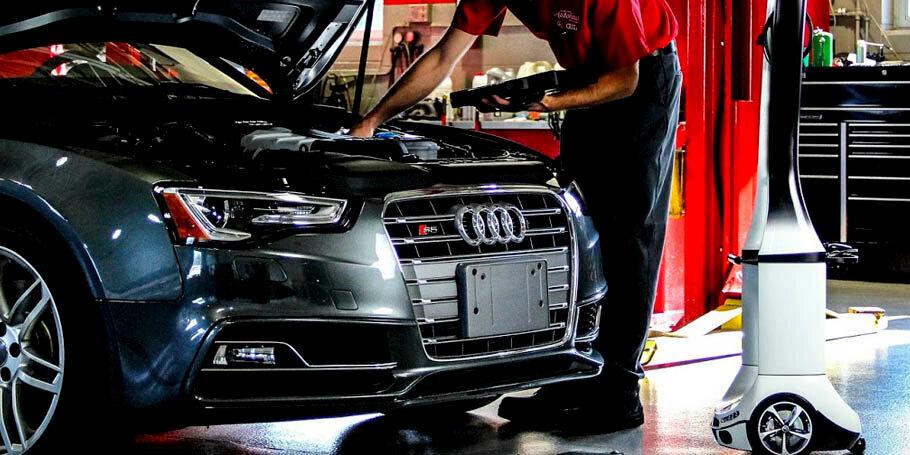
When your car’s transmission starts failing, you’re faced with a difficult decision: should you repair it or replace your entire vehicle? Transmission repairs can be costly, and for many drivers, the idea of investing heavily in an older car feels uncertain. However, replacing a vehicle also comes with significant expenses.
This guide will help you understand whether transmission repair is worth it or if replacing your car is the smarter choice. By evaluating key factors like cost, vehicle condition, and long-term value, you can make a confident and informed decision.
Understanding Transmission Repair Costs
Transmission repair costs vary depending on the severity of the issue. Minor fixes such as fluid replacement, seal repairs, or sensor adjustments are relatively affordable. However, major repairs like rebuilding or replacing the transmission can be expensive.
Common repair types:
-
Fluid change or flush – Low cost, preventive maintenance
-
Minor repairs – Moderate cost (leaks, sensors, solenoids)
-
Transmission rebuild – Expensive but restores functionality
-
Full replacement – Highest cost option
While the price may seem high, it’s still often cheaper than purchasing a new or even a used car.
When Transmission Repair Is Worth It
In many cases, repairing your transmission is the better financial decision. Here are some scenarios where repair makes sense:
1. Your Car Is Relatively New
If your vehicle is only a few years old, it likely still has plenty of life left. Investing in a transmission repair can extend its lifespan and delay the need for replacement.
2. The Overall Condition of the Car Is Good
If your car is well-maintained, with no major engine or structural issues, repairing the transmission is usually worthwhile. A healthy car with a fixed transmission can perform like new again.
3. Repair Costs Are Lower Than Replacement
Compare the cost of repair with the price of buying another vehicle. If the repair is significantly cheaper, it’s often the smarter choice.
4. You Want to Avoid Monthly Payments
Repairing your car allows you to avoid taking on a car loan or financing a new vehicle. This can be a major advantage for your budget.
When You Should Consider Replacing Your Car
Sometimes, repairing the transmission may not be the best option. Here are situations where replacing your vehicle might be more practical:
1. Repair Costs Exceed the Car’s Value
If the cost of transmission repair is close to or higher than your car’s current market value, replacement might make more sense.
2. Your Car Has High Mileage
Vehicles with very high mileage often have multiple worn components. Even after fixing the transmission, other issues may arise soon.
3. Frequent Breakdowns
If your car has a history of constant repairs, investing more money may not be wise. Replacing it could save you from ongoing maintenance costs.
4. Safety Concerns
Older vehicles may lack modern safety features. If your car is outdated, upgrading to a newer model can improve safety and reliability.
Key Factors to Consider Before Deciding
Making the right decision requires careful evaluation of several factors:
Vehicle Age and Condition
A newer, well-maintained car is usually worth repairing, while an older, worn-out vehicle may not be.
Cost Comparison
Always compare:
-
Cost of repair
-
Cost of replacement
-
Future maintenance expenses
This helps you understand the long-term financial impact.
Emotional Value
Some cars hold sentimental value. If your vehicle is important to you, repairing it might be the preferred option despite the cost.
Fuel Efficiency and Technology
Newer cars offer better fuel efficiency and advanced features. If your current car lacks these benefits, replacement could be more appealing.
Pros and Cons of Transmission Repair
Pros:
-
Lower upfront cost compared to buying a new car
-
Extends vehicle lifespan
-
No need for new financing
-
Maintains familiarity with your vehicle
Cons:
-
Can be expensive for major issues
-
Doesn’t fix other aging components
-
Risk of future repairs
Pros and Cons of Replacing Your Car
Pros:
-
Access to modern features and better safety
-
Improved fuel efficiency
-
Reduced risk of immediate repairs
Cons:
-
Higher upfront or monthly costs
-
Depreciation of new vehicles
-
Additional expenses like insurance and registration
Expert Tip: Get a Professional Diagnosis
Before making any decision, it’s crucial to get your vehicle inspected by a professional mechanic. A proper diagnosis will help you understand the exact problem and estimate repair costs accurately.
Sometimes, what seems like a major transmission issue could actually be a minor and inexpensive fix. Relying on expert advice ensures you don’t make a costly mistake.
Long-Term Perspective: Think Beyond Immediate Costs
While it’s tempting to focus only on immediate expenses, consider the long-term picture. A well-repaired transmission can add years to your vehicle’s life, while a poorly chosen replacement could lead to new problems.
Balancing short-term affordability with long-term reliability is key to making the right choice.
Conclusion
Deciding between transmission repair and replacing your car depends on several factors, including cost, vehicle condition, and future reliability. In many cases, repairing the transmission is a cost-effective solution especially if your car is still in good shape.
However, if your vehicle is old, unreliable, or too expensive to fix, replacing it may be the smarter investment.
For accurate diagnosis and trusted repair solutions, rely on AbuHashimGarage. With expert technicians and reliable service, they help you make the right decision for your vehicle. If you’re looking for the Best Transmission Repair in Ras Al Khor, choosing the right professionals ensures your car gets the care it needs and keeps you confidently on the road.

 English
 Arabic
 French
 Spanish
 Portuguese
 Deutsch
 Turkish
 Italiano
 Russian
 Romaian
 Portuguese (Brazil)
 Greek
Greek