


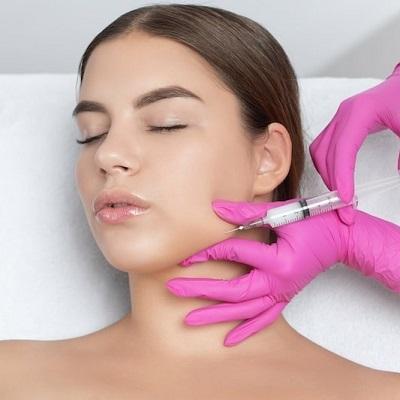
Dermal Fillers Injections have grown in popularity as a safe, non-surgical solution to restore volume, smooth wrinkles, and enhance facial features. While many people are familiar with the immediate aesthetic benefits, understanding the healing timeline is crucial for achieving the best results and minimizing discomfort. This article provides a week-by-week guide to the recovery process after dermal fillers injections, helping readers know what to expect and how to care for their skin.
What to Expect Immediately After Dermal Fillers Injections
Once dermal fillers are injected, the skin may feel slightly tender, and some mild swelling or redness is normal. These reactions are part of the body’s natural response to the injections and usually resolve within a few days. Patients might also notice minor bruising or tiny bumps at the injection sites, which can be minimized with proper post-treatment care.
Most people can return to their normal routines immediately, but certain precautions, such as avoiding strenuous exercise, alcohol, and excessive sun exposure for the first 24–48 hours, are recommended to reduce swelling and prevent irritation.
Week 1: Initial Healing and Swelling Reduction
The first week after dermal fillers injections is focused on initial healing. Swelling is often most noticeable in the first 24–48 hours and gradually decreases throughout the week. Bruising, if present, will start to fade, though it may still be visible in some areas.
Tips for this week:
-
Apply ice or a cold compress to reduce swelling and discomfort.
-
Avoid touching or massaging the treated areas unless instructed, as this can displace the filler.
-
Sleep with your head slightly elevated to minimize swelling.
By the end of the first week, most patients notice the majority of swelling and redness has subsided, and the filler begins to settle naturally under the skin.
Week 2: Settling and Adjustment
During the second week, the filler starts integrating with the surrounding tissues. This is when any lumps or unevenness may become more noticeable, though gentle massage by a professional (if recommended) can help smooth the area. Tenderness usually decreases, and the skin’s texture starts returning to normal.
Tips for this week:
-
Continue gentle care and avoid intense facial treatments like chemical peels or exfoliation.
-
Stay hydrated, as proper hydration supports skin recovery.
-
Avoid excessive heat, including saunas and hot showers, to prevent swelling.
By the end of week two, most patients experience a more natural look and feel, with initial swelling and discomfort largely resolved.
Week 3: Optimal Appearance Begins to Emerge
By week three, the dermal fillers have mostly settled into place, and the final results begin to take shape. Any remaining bruising should have completely faded, and the treated areas feel more stable. Many patients report increased satisfaction with the natural contouring and volume restoration during this period.
Tips for this week:
-
Resume normal skincare routines with gentle products.
-
Avoid aggressive treatments like microneedling unless cleared by a professional.
-
Monitor the treated areas for any unusual changes, such as persistent swelling or asymmetry, and seek guidance if needed.
At this stage, the results are often noticeable but may continue improving slightly over the next few weeks as the filler integrates fully.
Week 4: Final Results Stabilize
By the fourth week, dermal fillers typically reach their final position. The skin has adjusted, and any minor swelling or tenderness is usually gone. Patients can fully appreciate the rejuvenated appearance, including smoother lines, restored volume, and enhanced facial contours.
Tips for this week:
-
Continue gentle facial care and protect skin from UV exposure with sunscreen.
-
Enjoy the results while planning future touch-ups if desired, as maintenance is usually recommended every 6–18 months depending on the filler type.
At this point, the skin feels normal, and the filler is fully settled, providing long-lasting and natural-looking results.
Factors That Influence Healing Time
While most people follow a similar healing timeline, several factors can affect recovery:
-
Type of filler: Different fillers have varying viscosities, which can influence swelling and settling.
-
Injection area: Sensitive areas like lips and under-eyes may experience slightly longer recovery than cheeks or jawline.
-
Individual healing response: Age, skin type, and overall health can impact how quickly swelling and bruising subside.
-
Post-treatment care: Following aftercare instructions plays a significant role in minimizing complications and optimizing results.
Understanding these factors can help manage expectations and ensure a smoother recovery process.
Tips for a Comfortable and Quick Recovery
To support healing and achieve the best results from dermal fillers injections:
-
Avoid alcohol, blood-thinning medications, or high-intensity exercise for the first 24–48 hours.
-
Apply cold compresses to reduce swelling and discomfort.
-
Sleep with your head elevated during the first few nights.
-
Avoid rubbing or massaging treated areas unless advised.
-
Stay hydrated and maintain a healthy diet to support skin regeneration.
By incorporating these habits, patients can maximize the benefits of their dermal fillers and enjoy a smooth recovery.
Frequently Asked Questions (FAQs)
1. How long does it take for dermal fillers to fully settle?
Most fillers settle within 3–4 weeks, although minor adjustments and natural integration with the tissue can continue subtly for up to a month.
2. Is bruising after dermal fillers normal?
Yes, minor bruising at the injection site is common and usually fades within 7–10 days. Ice and gentle care can help reduce it.
3. Can I exercise after getting dermal fillers?
Strenuous exercise should be avoided for the first 24–48 hours to minimize swelling. After this period, light activity is generally safe.
4. Do dermal fillers hurt as they heal?
Discomfort typically decreases after the first few days. Most patients experience only mild tenderness, which resolves as swelling subsides.
5. When should I consider a touch-up?
Touch-ups may be needed every 6–18 months, depending on the type of filler and individual metabolism. Wait until the filler has fully settled before evaluating if adjustments are necessary.
6. Can swelling return after the first week?
Occasional minor swelling may occur due to heat, alcohol, or pressure on the face, but this is usually temporary and resolves quickly.
Conclusion
Dermal fillers injections offer a safe and effective way to enhance facial features and restore youthful volume. Understanding the healing timeline is essential for managing expectations and ensuring a smooth recovery. From the initial swelling in the first week to the full results appearing around week four, most patients find the process manageable with proper care.
By following post-treatment tips, monitoring the treated areas, and allowing the filler to settle naturally, patients can enjoy a refreshed and rejuvenated appearance with minimal discomfort. Dermal fillers not only provide immediate improvements but also offer long-lasting results that enhance confidence and natural beauty.

 English
 Arabic
 French
 Spanish
 Portuguese
 Deutsch
 Turkish
 Dutch
Dutch
 Italiano
 Romaian
 Portuguese (Brazil)
 Greek
Greek