


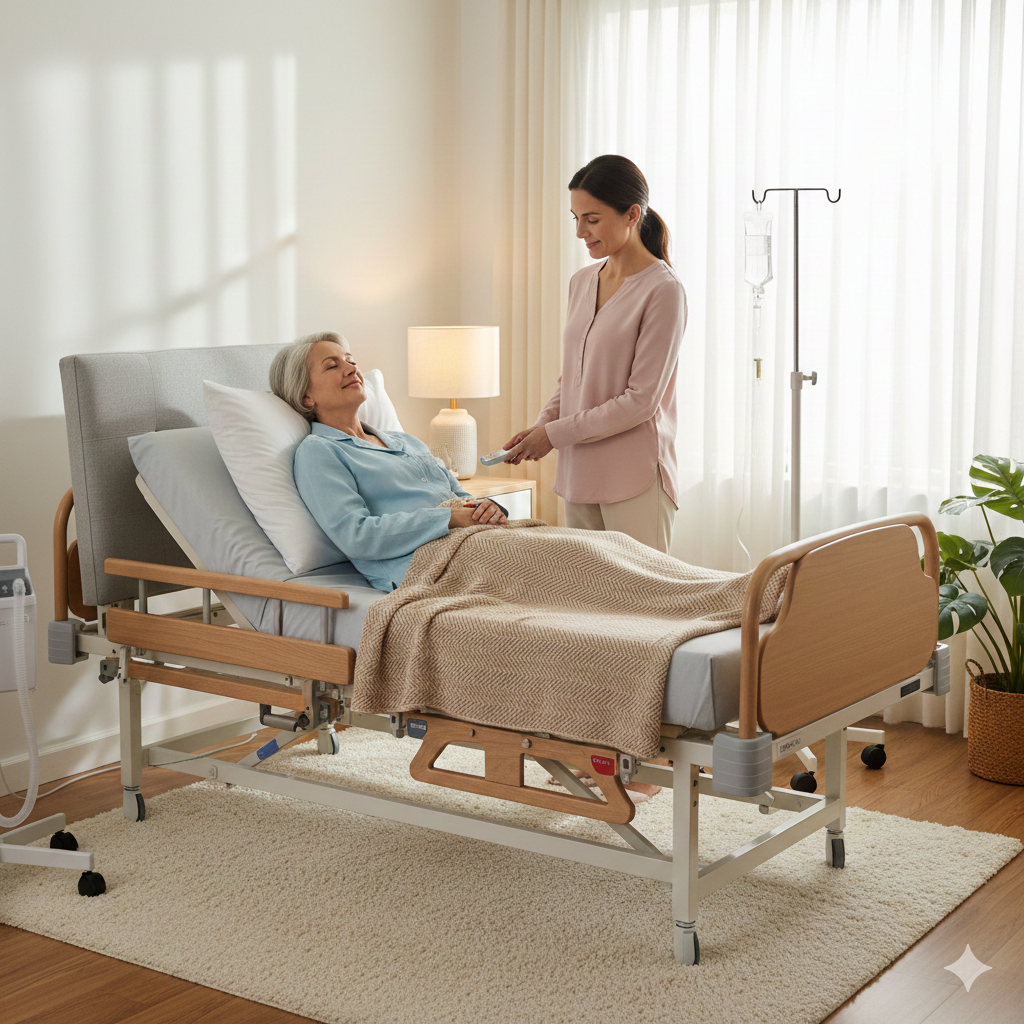
Caring for someone at home after surgery, during recovery, or while managing a long-term condition often requires adjustments beyond a standard bed. One of the most impactful changes families consider is replacing a traditional bed with a hospital-style bed designed for home use. Choosing the right bed can significantly affect comfort, safety, and daily care routines for both patients and caregivers.
Understanding how these beds work and what features actually matter can help you make a decision that supports health without unnecessary complexity.
Why a Hospital Bed May Be Needed at Home
Hospital beds aren’t only for clinical environments. At home, they are commonly used for individuals who have limited mobility, chronic pain, respiratory issues, or conditions that make frequent repositioning necessary. Unlike traditional beds, hospital beds allow controlled adjustments to the head, legs, and overall height, which can reduce strain during transfers and improve comfort during rest.
For caregivers, these adjustments can make daily tasks like repositioning, dressing, or assisting with meals safer and less physically demanding.
Key Features to Consider When Choosing a Home Hospital Bed
Adjustability and Control
One of the most important factors is how the bed adjusts. Fully electric beds allow users or caregivers to change positions using a handheld control, which can be especially helpful for individuals who need frequent repositioning throughout the day or night. Height adjustment also plays a role in fall prevention and caregiver ergonomics.
A full electric homecare bed designed for heavy-duty use provides stable support and easy position changes without manual effort.
Weight Capacity and Stability
Not all hospital beds are built the same. Some are designed for lighter use, while others accommodate higher weight capacities and more frequent adjustments. Stability is essential, especially for users who may shift positions often or rely on the bed for transfers in and out of a wheelchair or walker.
Choosing a bed that matches the user’s physical needs helps reduce wear and improves long-term safety.
Mattress Compatibility and Pressure Relief
The mattress used with a hospital bed is just as important as the bed frame itself. Standard mattresses may not provide enough pressure relief for individuals who spend extended periods in bed. Over time, this can increase the risk of discomfort or pressure-related skin issues.
An alternating pressure pad mattress can help redistribute pressure by gently changing air flow beneath the body. This type of mattress support can be beneficial for individuals with limited mobility or those at risk of pressure sores, especially when combined with proper repositioning.
Ease of Use for Caregivers
When care is provided at home, the needs of caregivers matter as much as those of the patient. Beds that are easy to adjust, clean, and maintain reduce daily stress and physical strain. Features like smooth height adjustment and quiet motors can make nighttime care less disruptive and improve overall quality of life in the home.
Matching the Bed to the Care Situation
Not every situation requires the most advanced setup. Someone recovering from surgery may need a hospital bed for a short period, while individuals with progressive or long-term conditions may rely on one daily. The right choice depends on how often adjustments are needed, how independently the user can move, and whether additional support surfaces are required.
Taking time to assess daily routines, mobility levels, and comfort concerns can help narrow down the most practical option without overcomplicating care.
Final Thoughts
Hospital beds for home use are about more than convenience. When chosen thoughtfully, they can improve comfort, support safer caregiving, and help individuals maintain dignity and independence during recovery or long-term care. By focusing on adjustability, stability, and proper mattress support, families can create a home environment that better supports health and daily living needs.


 English
 Arabic
 French
 Spanish
 Portuguese
 Deutsch
 Turkish
 Dutch
Dutch
 Russian
 Romaian
 Portuguese (Brazil)
 Greek
Greek