


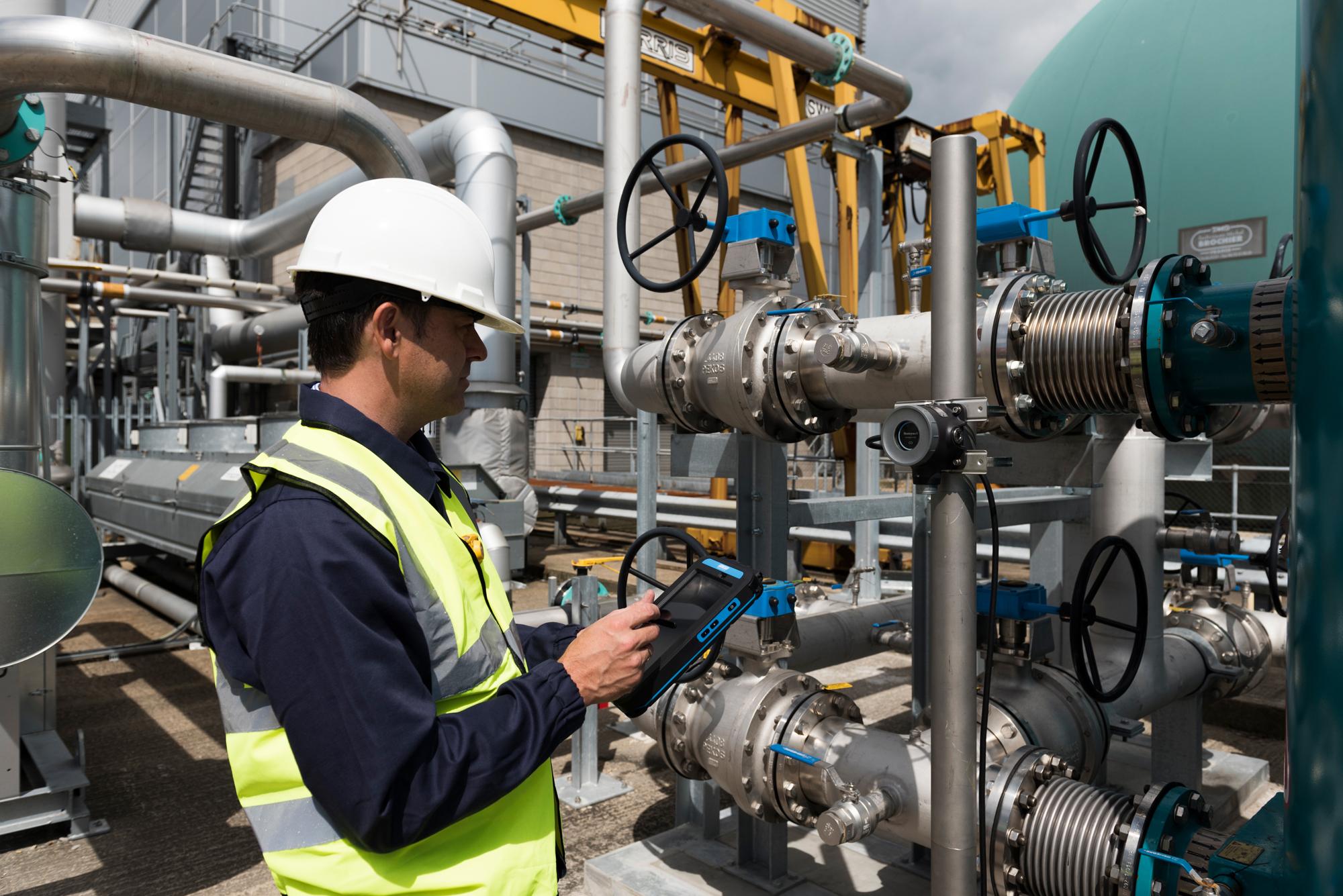
Keeping a workplace safe is not just a rule—it’s a responsibility every business has toward its people. In industries like oil and gas, manufacturing, food processing, pharmaceuticals, and even small workshops, workers face the risk of harmful gases every day. Gas detectors are the first line of defense, but they only work well when they are properly calibrated. That’s why regular calibration isn’t something you do “when you have time.” It’s something that must be done consistently to keep everyone safe.
Even the newest and most advanced devices, including all gas detector systems used in different industries, can slowly lose accuracy. Heat, dust, chemicals, rough handling, and everyday wear can cause sensors to drift. And when a gas detector becomes inaccurate, it may show wrong readings. That can mean missed warnings, unexpected alarms, and in the worst cases—serious danger for your team.
Why Calibration Matters Even More Today
Workplaces today use more technology than ever before. Real-time monitoring, automated systems, and connected devices are becoming the norm. This makes gas detectors even more important, because other systems depend on their readings.
If one detector gives the wrong reading, it can cause unnecessary shutdowns or fail to warn workers about an actual gas leak. Regular calibration makes sure the device is reading gas levels the way it was designed to. It’s not just about fixing problems calibration is becoming part of a “safety mindset” where businesses try to catch issues before they turn into accidents.
Many companies now follow a trend called predictive safety, where they use accurate equipment to predict hazards early. Calibrated detectors make this possible.
Why Gas Detectors Lose Accuracy Over Time
Every gas detector has sensors that naturally wear out. This happens due to things like:
- Humidity, moisture, and dust
- Big changes in temperature
- Harsh chemicals that damage sensors
- Heavy use in tough environments
- Not storing or handling the device properly
As a result, detectors may show readings that are slightly off. You may not notice the difference at first, but even a small drift can lead to dangerous situations. Regular calibration brings the sensor back to its correct reading range so it works the way it should.
Why Professional Calibration Services Are Important
Many companies now depend on Gas Detection Calibration Services because they offer accuracy and peace of mind. These professionals use certified gases, advanced testing tools, and trained technicians to make sure every detector is performing correctly. This removes guesswork and ensures the device is safe to use.
One big advantage of Gas Detection Calibration Services is the documentation they provide. Businesses get proper certificates, test reports, and digital records that help with audits and safety inspections. Since more companies are shifting to digital safety systems, having clean, accurate calibration records is a huge benefit.
Another important point: regular checkups by Gas Detection Calibration Services can catch early signs of sensor failure. Detecting a problem before it becomes serious can prevent dangerous accidents and unexpected equipment downtime.
Legal and Compliance Requirements
Safety laws and standards like OSHA and ISO require gas detectors to be calibrated at set intervals. Ignoring this can lead to fines, legal trouble, or shutdowns. Regulators look closely at maintenance records, and calibration is one of the first things they check.
Working with certified Gas Detection Calibration Services ensures that your devices meet all legal requirements and are safe to use during daily operations or emergencies.
Building a Strong Safety Culture
Workers feel safer when they know their equipment is reliable. When detectors are properly calibrated, employees trust the tools they are using. This confidence improves focus and encourages everyone to take safety seriously.
Calibration also prevents annoying false alarms. Too many false alarms can make workers stop taking alerts seriously a dangerous habit known as “alarm fatigue.” Accurate detectors help prevent this problem.
Conclusion
Regular calibration is not just a technical task it’s a vital part of keeping workplaces safe. With more technology, stricter regulations, and busier work environments, businesses need accurate gas detectors more than ever.
By working with professional Gas Detection Calibration Services, companies can avoid accidents, stay compliant, improve safety culture, and protect both equipment and workers.

 Arabic
 French
 Spanish
 Portuguese
 Deutsch
 Turkish
 Dutch
Dutch
 Italiano
 Russian
 Romaian
 Portuguese (Brazil)
 Greek
Greek