


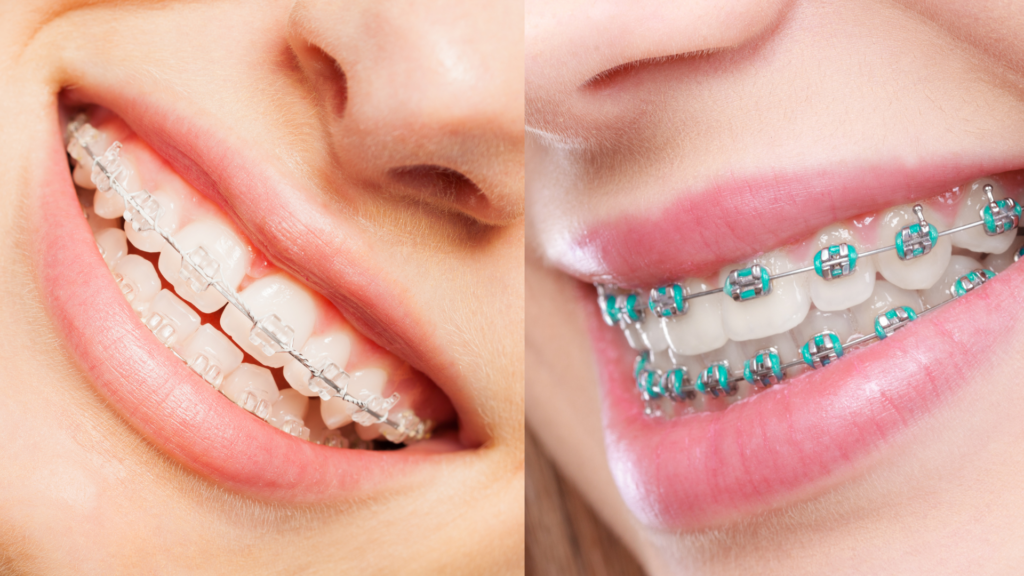
One of the most common concerns patients have before starting orthodontic treatment is whether braces cause pain. For individuals considering Teeth Braces in Dubai, understanding what kind of discomfort to expect can make the journey smoother and less stressful. While braces may cause temporary soreness, especially after adjustments, they are not usually painful. Knowing what to expect at each stage helps patients prepare mentally and physically for the process of achieving a straighter smile.
Initial Placement of Braces:
When braces are first applied, patients often experience mild pressure rather than sharp pain. This pressure comes from the brackets and wires beginning to guide teeth into their new positions. The adjustment period typically lasts a few days, during which teeth and gums may feel tender, but over-the-counter pain relievers and orthodontist-recommended care usually ease discomfort.
The First Week with Braces:
The initial week is usually the most challenging phase as the mouth adjusts to foreign appliances. Patients may notice irritation on the cheeks and tongue caused by friction with the brackets. Orthodontic wax can help reduce rubbing, and soft foods like soups, smoothies, and yogurt make eating easier until soreness subsides. After this period, most people adapt well.
Routine Adjustments:
Every 4–6 weeks, orthodontists tighten or adjust the wires to continue guiding teeth into alignment. These sessions may cause temporary soreness for a day or two, but the sensation is generally manageable. The discomfort usually fades as teeth gradually shift, and many patients report each adjustment becoming easier over time.
Types of Discomfort to Expect:
Braces-related discomfort is typically mild and temporary, rather than intense or continuous. Common sensations include:
-
Pressure on teeth as they shift into new positions
-
Soreness in gums especially during the first few days
-
Irritation in cheeks or lips due to bracket edges
-
Jaw tightness after adjustments
Managing Pain and Soreness:
Orthodontists often recommend simple strategies to manage any discomfort associated with braces. These include using orthodontic wax to reduce friction, applying ice packs for temporary relief, and consuming soft foods during sensitive periods. Over-the-counter pain medications may also be used when necessary, but most patients find the discomfort subsides naturally with time.
Eating with Braces:
Eating habits significantly affect comfort during treatment. Hard or sticky foods can not only damage braces but also increase irritation. Choosing soft foods like mashed potatoes, steamed vegetables, and pasta during sore periods helps reduce discomfort. With time, patients learn which foods are easier to chew without aggravating tender teeth.
Speech Adjustments:
Braces may initially affect speech, especially with certain sounds. Patients might experience mild lisping during the first few weeks, but this typically resolves as the tongue adapts to the new positioning. Practicing reading aloud or speaking more frequently can speed up the adjustment process.
Emotional Aspects of Discomfort:
Beyond physical sensations, some patients experience anxiety about wearing braces. Concerns about appearance, pain, or treatment length may affect confidence. However, knowing that braces are a temporary phase leading to a lifelong improvement often reassures patients. Support from family, friends, and orthodontists helps them stay motivated throughout treatment.
Braces vs Other Orthodontic Options:
Pain levels can vary depending on the orthodontic method. Traditional metal braces may cause more irritation due to their design, while ceramic braces are less noticeable but still involve similar pressure. Invisible aligners, being smooth and removable, generally cause less irritation but still create mild pressure when teeth shift. Each option has its pros and cons regarding comfort and effectiveness.
The Role of Orthodontists in Reducing Discomfort:
Skilled orthodontists play a crucial role in minimizing patient discomfort. By carefully planning treatment and making precise adjustments, they ensure teeth move steadily without unnecessary strain. Regular check-ups also allow patients to discuss any discomfort and receive guidance on managing it effectively.
Long-Term Outlook:
While braces may involve temporary soreness, the long-term results far outweigh the discomfort. Straight teeth not only enhance appearance but also improve bite function, reduce the risk of dental problems, and boost overall oral health. Most patients agree that the short-term inconvenience is a small price to pay for a lifetime of benefits.
Final Thoughts:
Patients considering Teeth Braces in Dubai should understand that while mild discomfort is part of the process, braces are not unbearably painful. The initial adjustment period and routine tightening may cause temporary soreness, but these sensations are manageable with simple care strategies. By maintaining patience and focusing on the long-term benefits, patients can embrace the treatment journey with confidence. Ultimately, braces provide more than just straighter teeth—they deliver lasting improvements in oral health and self-esteem.

 Arabic
 French
 Spanish
 Portuguese
 Deutsch
 Turkish
 Dutch
Dutch
 Italiano
 Russian
 Romaian
 Portuguese (Brazil)
 Greek
Greek