


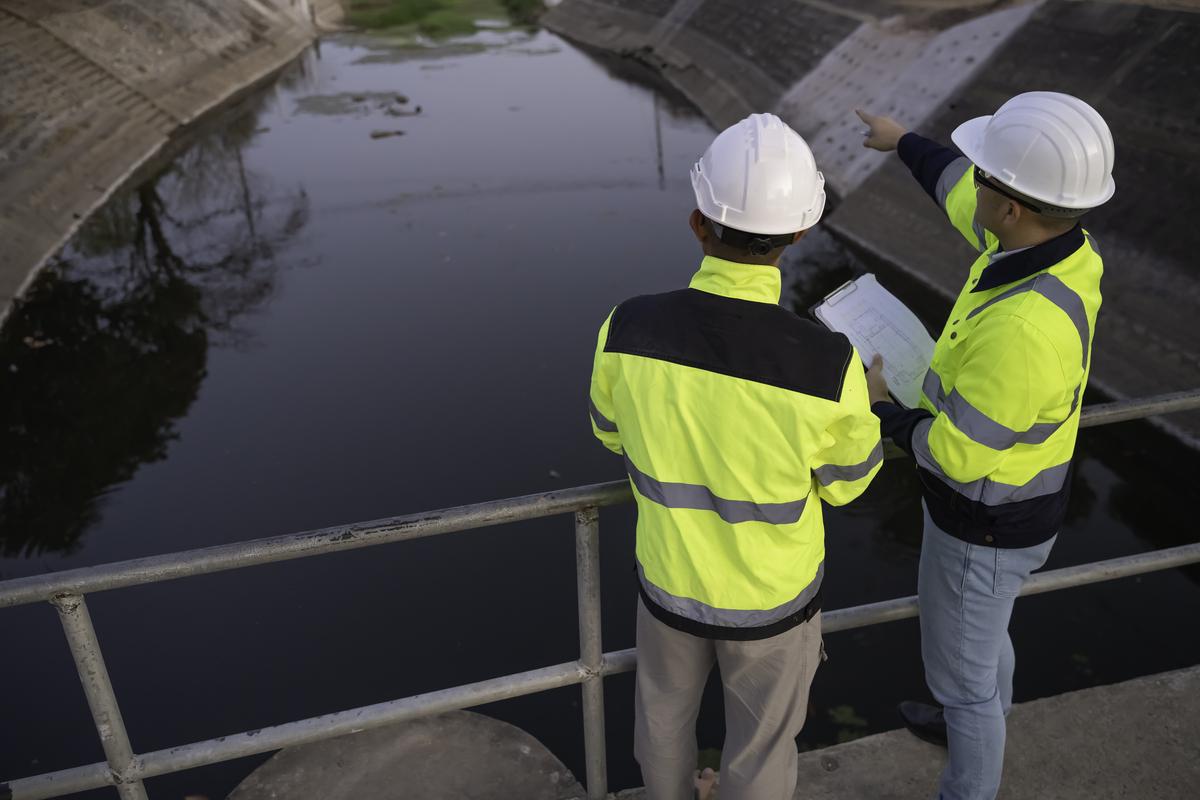
Sewage treatment in the Philippines addresses increasing wastewater challenges in both urban and rural areas. An STP contractor in the Philippines provides modular and scalable systems that manage sewage efficiently and adapt to community needs. These solutions treat wastewater safely while allowing capacity to expand as populations grow. Modular plants reduce installation time and limit disruption, which is valuable for rapidly developing regions. This approach strengthens public health and environmental protection, supporting the country’s demand for reliable sewage management.
What Are Modular Sewage Treatment Plants?
Modular sewage treatment plants use pre-built units that are transported and assembled quickly at the site. Their design allows parts to be added or removed depending on wastewater volume. Because much of the work is completed offsite, construction finishes faster and reduces disruption in nearby communities. These systems can be customized and expanded as needs increase. Their quick installation and adaptability make them suitable for municipalities and businesses in the Philippines that require reliable wastewater treatment solutions.
Components of Modular Sewage Plants
Each module in a sewage treatment plant performs a specific function to clean wastewater effectively. The standardized design allows contractors to connect parts quickly, making installation faster and more efficient. Maintenance and upgrades are easier because the components follow uniform specifications, which also helps lower costs. This setup supports long-term sewage management without requiring large-scale construction projects. Modular systems typically include sedimentation tanks, biological treatment units, and filtration components, providing complete wastewater solutions for communities and businesses in the Philippines.
Why Modular and Scalable Solutions Matter in the Philippines
Rapid urbanization and population growth in the Philippines increase the demand for reliable wastewater management. Modular and scalable sewage systems provide solutions that expand as communities grow. Beginning with smaller plants and adding capacity later prevents unnecessary construction expenses and frequent system replacements. This method reduces costs while supporting compliance with environmental regulations. It also helps local governments use resources more effectively and protect rivers, lakes, and coastal areas from pollution, which remains a major issue in many provinces.
Meeting Environmental and Legal Requirements
The Philippine Clean Water Act requires sewage treatment systems that protect natural ecosystems from contamination. Scalable sewage solutions allow municipalities to meet these standards even as their populations increase. Expanding capacity as demand grows helps communities prevent fines and reduce damage to surrounding environments. This adaptable approach supports compliance with national regulations while promoting sustainable water use. It also improves public health by limiting exposure to untreated wastewater and creating safer living conditions across both urban and rural communities.
How STP Contractors in the Philippines Deliver These Solutions
STP contractors in the Philippines design, install, and maintain modular sewage plants suited to local conditions. They consider wastewater volume, site geography, and community size when planning systems to achieve reliable performance. Their technical knowledge supports smooth operations, cost efficiency, and compliance with environmental regulations. Contractors also provide maintenance services after installation to keep facilities operating properly. Through their work, communities benefit from sewage treatment systems that match present requirements while offering the flexibility to expand capacity as populations increase.
Local Expertise and Support
Local contractors in the Philippines understand the country’s weather, geography, and regulatory requirements more accurately than foreign providers. This knowledge allows them to design sewage systems that perform reliably under local conditions and remain durable over time. They also provide training and maintenance support so operators can manage daily plant functions effectively. These services improve long-term system performance and reduce costly operational problems. With their expertise, modular sewage treatment plants become dependable solutions for both municipalities and private businesses nationwide.
Benefits of Modular Sewage Systems for Philippine Communities
Modular sewage treatment plants provide shorter construction timelines and lower initial investment compared to traditional facilities. Their compact design makes them suitable for crowded urban areas, which are common across the Philippines. These plants can also be relocated when necessary, offering flexibility for communities facing changing development plans. Mobility allows municipalities to adjust to shifting needs without building entirely new systems. With these features, modular sewage solutions deliver practical and adaptable wastewater management options for both cities and rural towns.
Economic and Practical Advantages
Modular sewage treatment systems lower construction costs while reducing environmental disturbance during installation. Their quick assembly limits disruption for nearby residents and businesses, making them easier to introduce in busy communities. Expansion in phases allows local governments and private groups to manage budgets more effectively, spreading investment over time instead of building oversized facilities immediately. These combined advantages make modular sewage plants a practical option for wastewater treatment, which is why many Philippine municipalities are adopting them for long-term use.
Maintenance and Longevity of Modular Sewage Plants
Regular maintenance keeps modular sewage treatment plants operating efficiently and prevents expensive breakdowns. Skilled contractors provide inspections, repairs, and timely replacements that extend the lifespan of each system. Preventive care also supports compliance with health regulations, protecting communities from exposure to untreated wastewater. In the Philippines, tropical conditions such as humidity and heavy rains accelerate equipment wear, making upkeep more critical. With professional maintenance, modular plants continue to treat wastewater safely and reliably, delivering long-term performance for municipalities and businesses.
The Future of Sewage Treatment in the Philippines
Growing infrastructure demands in the Philippines increase the need for modular and scalable sewage solutions. STP contractors now integrate smart monitoring tools and energy-efficient technologies to improve performance and reduce operating costs. These advancements help detect issues early and maintain steady treatment output. Flexible plants that expand with communities provide sustainable options for rapidly urbanizing areas. With their balance of environmental protection, cost control, and efficiency, modular sewage systems are becoming the preferred wastewater management choice across the country.
Key Takeaway
Selecting an STP contractor in the Philippines that provides modular and scalable sewage solutions gives communities an adaptable way to handle wastewater. These systems adjust to community size, reduce installation time, and comply with environmental regulations. Their expandable design supports population growth without requiring major upgrades, making treatment more efficient and sustainable. With this approach, public health is protected, natural resources are safeguarded, and long-term costs are reduced, creating a practical investment in the Philippines’ future wastewater management.

 Arabic
 French
 Spanish
 Portuguese
 Deutsch
 Turkish
 Dutch
Dutch
 Italiano
 Russian
 Romaian
 Portuguese (Brazil)
 Greek
Greek