


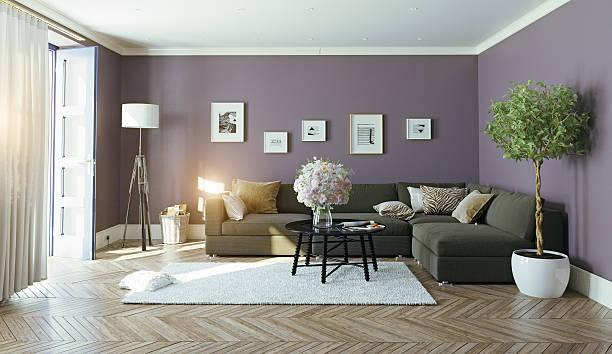
A fresh coat of paint remains one of the most powerful, affordable, and transformative ways to rejuvenate any space. As interior design evolves year after year, so do color palettes, finishes, and application techniques. This year, interior painting is embracing both subtle sophistication and bold creativity—offering something for every homeowner’s taste. Whether you're looking to refresh a single room or completely reimagine your living space, keeping up with current trends can ensure your home feels both stylish and inviting.
This article explores the top interior painting trends of the year, combining design insight with expert recommendations. Backed by experience and industry knowledge, companies like PMJ Fine Painting have seen firsthand how the right colors and finishes can transform a home. Their commitment to craftsmanship, trend awareness, and customer satisfaction exemplifies what homeowners should seek when investing in professional painting services.
The Rise of Earthy, Natural Tones
In recent years, there has been a shift toward calming, nature-inspired colors—and that trend continues to grow stronger. Homeowners are choosing earthy hues like terracotta, sage green, ochre, and warm beige to create spaces that feel grounded and serene. These colors evoke a connection to the outdoors and promote relaxation, making them especially popular in living rooms, bedrooms, and home offices.
These tones pair well with natural textures such as wood, stone, and linen. In terms of interior painting, using matte or eggshell finishes enhances the organic feel and adds a sense of warmth and softness to the room.
Bold Accent Walls and Statement Ceilings
While neutral tones dominate the majority of spaces, accent walls are making a bold return. A single wall painted in a deep, contrasting color—such as navy blue, emerald green, or even charcoal—adds depth and drama without overwhelming the room. This year, ceilings are also being reimagined as creative focal points. Statement ceilings, often referred to as the “fifth wall,” feature contrasting colors or even patterned paint to elevate a space from ordinary to extraordinary.
This approach to interior painting allows homeowners to express personality and break away from traditional all-white ceilings and walls. It’s especially effective in smaller rooms or entryways where design details can leave a lasting impression.
Moody and Monochromatic Rooms
One of the most striking trends in modern interior design is the rise of moody, monochromatic rooms. These spaces rely on layering varying shades of a single color—often darker tones such as deep gray, burgundy, forest green, or indigo. By painting walls, trim, and even ceilings in similar shades, the room takes on a cohesive, enveloping atmosphere that feels luxurious and contemporary.
For this trend, interior painting techniques matter. Professional painters ensure consistency in tone and texture, avoiding mismatched edges or uneven finishes that can detract from the intended look.
Warm Neutrals Over Cool Tones
Cool grays and stark whites have dominated the interior palette for over a decade. However, 2025 marks a noticeable return to warm neutrals. Tones like soft taupe, creamy ivory, greige (gray + beige), and muted clay offer a more inviting ambiance. These hues provide the perfect backdrop for various décor styles, from minimalist Scandinavian to boho chic.
Warm neutrals not only make a room feel cozier but also complement both modern and traditional furnishings. They are especially popular in open-concept homes where seamless flow between rooms is important.
Two-Tone Walls and Color Blocking
For those wanting to push the boundaries of conventional interior painting, two-tone walls and color blocking are becoming increasingly popular. This involves dividing a wall horizontally or vertically and painting each section in a different color. The contrast can be subtle—like beige and cream—or bold, like mustard yellow paired with deep teal.
This technique adds visual interest and can be used strategically to emphasize architectural features, alter room perception, or create zones within open spaces. It’s a trend best executed with precision, making professional painting services a wise investment.
Textured Paint and Specialty Finishes
Beyond color, texture is gaining attention in interior painting. Techniques like limewash, Venetian plaster, and brushed suede finishes create tactile walls that interact with light and shadow. These specialty applications provide depth and sophistication, ideal for feature walls or formal spaces such as dining rooms and studies.
While DIY kits are available, achieving a consistent, elegant finish requires training and skill. A professional painter familiar with these products and application methods ensures optimal results.
Sustainable and Low-VOC Paints
With growing awareness around indoor air quality and environmental impact, many homeowners are prioritizing eco-friendly paints. Low-VOC (volatile organic compound) and zero-VOC options are widely available and just as durable as traditional formulas. They’re especially beneficial in homes with children, pets, or individuals with respiratory sensitivities.
Choosing sustainable paints doesn’t mean sacrificing color or quality. Many major brands now offer wide palettes in their green product lines, and professional painters are well-versed in selecting and applying these eco-conscious options.
Incorporating Color Psychology
More homeowners are exploring color psychology when planning their interior painting projects. Understanding how colors influence mood and behavior can help you choose shades that support each room’s purpose. For example:
-
Blue promotes calm and is ideal for bedrooms.
-
Yellow stimulates energy and is great for kitchens.
-
Green encourages balance and focus, making it a smart choice for offices.
-
Pink and lavender offer a sense of calm and are becoming more common in living spaces.
Experts can help you align your design goals with psychologically impactful colors to create functional, emotionally supportive environments.
Conclusion
This year’s interior painting trends embrace warmth, creativity, and individuality. Whether you prefer the subtle elegance of warm neutrals, the bold impact of accent walls, or the modern twist of color blocking, there’s no shortage of ways to refresh your living space. With guidance from experienced professionals like PMJ Fine Painting, you can confidently explore these trends while ensuring quality workmanship and enduring results. Investing in your home’s interior with fresh paint not only elevates aesthetics but also enhances your daily comfort and overall well-being.
Frequently Asked Questions
What’s the most popular interior painting trend this year?
Earthy tones like sage green and terracotta, as well as bold accent walls and statement ceilings, are among the top trends gaining popularity in 2025.
How often should I repaint the interior of my home?
Typically, high-traffic areas like kitchens, hallways, and kids’ rooms may need repainting every 2–4 years. Bedrooms and living rooms often last 5–7 years depending on use and quality of the original paint.
Can I combine multiple painting trends in one home?
Absolutely. It’s common to mix trends like warm neutrals in common areas and bold color blocking in private spaces. Just ensure a cohesive color flow throughout.
Is textured paint hard to maintain?
Some textures may require special cleaning methods, but most modern textured paints are formulated for durability. Consult your painter for maintenance tips based on your chosen finish.
Should I hire a professional for interior painting?
Yes, especially for complex finishes, large areas, or if you’re using premium products. Professionals ensure proper preparation, application, and long-lasting results.

 Arabic
 French
 Spanish
 Portuguese
 Deutsch
 Turkish
 Dutch
Dutch
 Italiano
 Russian
 Romaian
 Portuguese (Brazil)
 Greek
Greek